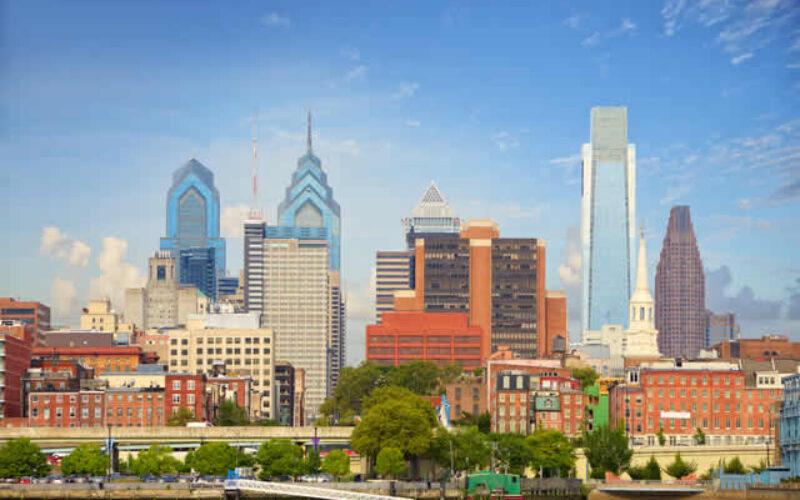

For entrepreneurs considering relocation, moving your business into a rowhome City like Philadelphia is about more than choosing a new address.
It is about understanding how architecture, neighborhood design, and community interaction influence daily operations and long-term growth.
Philly’s tightly knit urban fabric offers a unique environment where ambition, accessibility, and local character come together.
Moving Your Business Into a Rowhome City
Understanding Philadelphia as a rowhome city is essential when moving your business into a rowhome city for the first time. These closely connected buildings create dense, walkable neighborhoods that naturally support local commerce.
Customers, collaborators, and service providers are often nearby, making everyday interactions efficient and personal. This layout encourages stronger relationships between businesses and the communities they serve, allowing entrepreneurs to embed themselves into the local economy rather than operate on its outskirts.
The Architectural Scale That Supports Small and Growing Businesses
One of the most overlooked advantages of rowhome architecture is its human scale. Buildings are typically modest in width and height, which naturally supports small to mid-sized operations.
This scale reduces the intimidation factor for new businesses and makes it easier to establish a presence without feeling overshadowed by massive commercial towers.
For startups and growing companies, this environment encourages gradual expansion. It is common to begin with a compact footprint and adapt over time as needs evolve.
The consistency of rowhome dimensions also makes it easier to plan layouts, signage, and customer flow. Instead of reinventing the wheel, business owners can focus on refining their operations within a familiar structure.
Neighborhood Visibility and Street-Level Connection
Rowhomes are built to engage the street. Entrances face sidewalks, windows open onto daily foot traffic, and businesses become part of the neighborhood’s visual rhythm.
This visibility is a powerful asset for entrepreneurs. Being seen and recognized is easier when customers pass by regularly on foot, whether they are heading to work, school, or local shops.
Street-level presence fosters trust. People tend to support businesses they feel connected to, and rowhome settings encourage casual interactions that build familiarity over time.
A greeting through the window or a quick conversation at the door can turn a passerby into a loyal customer. This organic relationship-building is harder to achieve in more isolated commercial districts.
Zoning Flexibility and Mixed-Use Opportunities
Philadelphia has a long tradition of mixed-use neighborhoods, and rowhomes often sit at the heart of this flexibility. Many areas allow a blend of residential and commercial activity, which can be ideal for entrepreneurs seeking efficiency.
Operating a business in a neighborhood that supports mixed use can reduce commute times, simplify daily routines, and strengthen ties to the local community.
This flexibility also supports creative business models. Professional services, boutique retail, studios, and consultancies often find that rowhome-based locations offer just the right balance between professionalism and approachability.
The setting feels personal without sacrificing credibility, which can be especially appealing to clients seeking a more human connection.
Adapting Historic Structures for Modern Workflows
While rowhomes are rooted in history, they are far from outdated. Many have been thoughtfully updated to support contemporary business needs. Open layouts, modern utilities, and improved lighting can coexist with original architectural details, creating spaces that feel both functional and inspiring.
For entrepreneurs, this blend of old and new can be a branding advantage. Working from a space that reflects Philadelphia’s heritage while supporting modern workflows sends a subtle message of stability and innovation.
It shows respect for the past while embracing the future, a balance that resonates with clients and partners alike.
Community-Oriented Business Culture
Rowhome neighborhoods tend to foster strong community bonds. People recognize one another, local events draw crowds, and word travels quickly. For businesses, this culture encourages accountability and engagement. Success often comes from being an active participant in neighborhood life rather than a distant service provider.
Entrepreneurs who take the time to understand local dynamics often find that communities are eager to support businesses that give back. Hosting small events, collaborating with nearby shops, or simply maintaining a welcoming presence can go a long way. In a rowhome city, reputation is built one interaction at a time.
Cost Considerations in a Dense Urban Layout
Compared to large commercial spaces, rowhome-based locations can offer more manageable overhead. The compact nature of these buildings often results in lower operating costs while still providing a professional setting. For small businesses, this financial breathing room can be critical during early growth stages.
Predictable layouts also make it easier to budget for improvements and maintenance. Entrepreneurs can plan upgrades with confidence, knowing that the structure follows familiar patterns. This predictability reduces surprises and supports long-term financial planning.
Navigating the Move Into a Rowhome-Based Location
Relocating a business into a rowhome city requires thoughtful preparation. The logistics that go into moving business locations often include coordinating access, timing deliveries carefully, and adapting equipment to fit narrower urban streets.
Planning these details in advance is essential for ensuring a smooth transition, especially in neighborhoods where space is shared closely with residents and other businesses.
By understanding the logistics that go into moving business locations and working within the city’s rhythm, entrepreneurs can minimize disruption and settle into their new environment with confidence.
How Rowhome Density Encourages Collaboration
Proximity is one of Philadelphia’s greatest entrepreneurial assets. Rowhome density places businesses close to one another, making collaboration feel natural rather than forced. It is common to find complementary services operating within a few blocks, creating informal networks of support and referral.
This closeness can spark innovation. Conversations that begin on the sidewalk or at a nearby café often lead to partnerships or shared projects. In a rowhome city, collaboration is woven into daily life, providing entrepreneurs with access to ideas and resources that might otherwise remain out of reach.
Branding Opportunities Rooted in Place
Operating in a rowhome setting offers unique branding possibilities. The architecture itself tells a story, and businesses can weave that narrative into their identity. Whether it is highlighting craftsmanship, community roots, or local heritage, the physical space becomes part of the brand message.
Customers often respond positively to businesses that feel authentic and grounded. A rowhome location reinforces that authenticity by anchoring the brand in a recognizable and beloved urban form. This sense of place can differentiate a business in crowded markets where personality matters.
other related articles of interest:
The Financial Benefits of Moving Your Business to a Less Central Location
Forward Marketing: 4 Steps for Moving Your Brand Beyond Your Town
Long-Term Growth in a Historic Urban Framework
Philadelphia’s rowhome neighborhoods have endured for generations, adapting to economic shifts and cultural change. For entrepreneurs, this resilience offers reassurance. Establishing a business in a proven urban framework can provide stability even as markets evolve.
Growth in a rowhome city does not always mean outgrowing the neighborhood. Many businesses find that scaling within the same area, through expanded services or nearby locations, allows them to maintain community ties while increasing reach. This steady, rooted growth aligns well with the city’s character.
A Cultural and Strategic Decision
Moving your business into a rowhome city like Philadelphia is as much a strategic decision as it is a cultural one. The city’s architecture shapes how businesses connect, operate, and grow, offering a human-scaled environment that values proximity, community, and authenticity.
Rowhomes create neighborhoods where entrepreneurship feels personal yet professional, grounded yet forward-looking. For business owners willing to embrace the city’s unique rhythm, Philadelphia’s architectural landscape can become a powerful partner in long-term success.

Image Credit: by envato.com
end of post … please share it!
-------------------------------------------------------------------------------------------------------------
-------------------------------------------------------------------------------------------------------------
home remodeling reference (links to internal page)
 |
 |
 |
 |
| directory | photos | forms | guide |