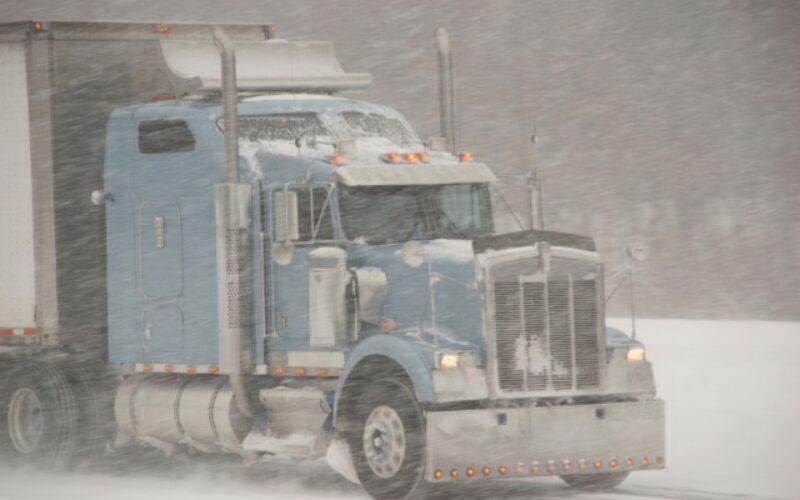
And when you’re dealing with more than one vehicle, those problems add up fast. Understanding how winter weather impacts your business fleet helps you stay ahead of avoidable costs, downtime, and safety issues.
Slower Routes and Delayed Deliveries
Winter weather often leads to slower travel, even if roads are technically open. Between snowplows, traffic backups, and drivers reducing speed for safety, your vehicles won’t hit the same targets they do in warmer months. This throws off delivery schedules and limits how many jobs your team can take in a day. If your fleet supports daily operations or revenue, that drop in productivity can hit hard.
Increased Risk of Accidents
Snow and ice don’t just make roads slippery—they limit visibility, reduce stopping power, and increase the chance that drivers will lose control. Accidents can lead to injuries, downtime, insurance claims, and repair costs. Even if your team drives carefully, they can’t control other vehicles on the road. More time behind the wheel in winter means a higher chance of something going wrong.
Engine and Battery Struggles
Cold starts are rough on engines, especially for diesel vehicles. When temperatures dip, engine oil thickens, batteries weaken, and fuel systems can freeze. That combo makes it harder to get vehicles going in the morning—and keeps them from running efficiently all day. If a vehicle stalls or dies on the job, that’s a missed delivery, a lost client, or worse.
Parts That Stop Performing
Winter weather can affect how the components in your fleet work. For example, drivers may notice their PTO (power take-off) starts making noise if they forgot to winter-proof it due to ice buildup or lack of lubrication. Electrical connections and hydraulic systems can also seize or short out. These part malfunctions can be costly. They could lead to system failures, or worse, leave a vehicle stranded in unsafe condition.
More Frequent Maintenance Needs
Freezing temps put pressure on tires, fluids, wipers, and brakes. Fleet vehicles often rack up miles every day, and winter conditions accelerate wear and tear. You’ll likely need to swap tires sooner, top off fluids more often, and keep a closer eye on brake performance. The longer you go without routine checks, the more likely it is that a small issue turns into a repair that takes a vehicle off the road for days.
Staying Ahead of Winter’s Impact
Dealing with winter weather doesn’t have to mean shutting things down, but it does mean changing how you operate. Know which parts of your business fleet are most vulnerable and build in extra time for travel and maintenance so you can keep vehicles on the road, avoid expensive repairs, and protect your team from unnecessary risks.

Image Credentials: imageegami, 30341580
end of post … please share it!
-------------------------------------------------------------------------------------------------------------
-------------------------------------------------------------------------------------------------------------
home remodeling reference (links to internal page)
 |
 |
 |
 |
| directory | photos | forms | guide |
Helpful article? Leave us a quick comment below.
And please share this article within your social networks.