The good news? That gap is mostly made of skills you can learn before you ever sign a lease or build a website.
This guide walks you through the essential skill sets every aspiring entrepreneur should develop to reduce risk and build something that lasts.
Why does this matter so much? Roughly 20% of new businesses fail within their first year, and about half close within five years, according to the U.S. Bureau of Labor Statistics (2024).
The common thread behind many of those closures isn’t a bad idea—it’s a gap in the founder’s preparation. Let’s close those gaps together.
The Entrepreneurial Landscape You Are Entering
Entrepreneurship rewards preparation more than passion alone. Today’s founders compete in crowded markets, manage tight budgets, and adapt to fast-moving technology. Before you commit money and time, take an honest inventory of what you know and what you don’t.
Think of this stage as scouting the terrain. The most resilient founders treat skill-building as the first investment in their business. Each competency you develop now becomes a layer of protection against the surprises that come later.
Financial Acumen as the Bedrock of Success
Money management sits at the heart of every business decision. If you cannot read a basic income statement, track cash flow, or build a simple budget, you are flying blind. A CB Insights analysis (2024) found that running out of cash and lacking funding remains one of the top reasons startups fail, cited in roughly 38% of cases.
Start with the fundamentals. Learn how to separate personal and business finances, forecast revenue conservatively, and understand the difference between profit and cash flow—they are not the same thing.
Free resources from the U.S. Small Business Administration offer plain-language guides on budgeting and pricing. The goal isn’t to become an accountant. It’s to understand your numbers well enough to make confident decisions.
Mastering Marketing and Sales to Reach Your Audience
A great product nobody knows about earns nothing. Marketing helps people discover you, and sales turns that interest into revenue. These two skills directly determine whether your business grows or stalls.

Focus on understanding your customer first. Who are they, what problem do they have, and where do they spend their attention?
From there, learn the basics of content, email, and social media marketing, along with simple paid advertising.
On the sales side, practice listening more than pitching. According to HubSpot’s State of Marketing report (2024), businesses that prioritize understanding customer needs see stronger conversion rates than those focused only on promotion.
Developing Leadership and Team-Building Skills
Even solo founders eventually rely on others—contractors, partners, employees, or advisors. Leadership is the skill of guiding people toward a shared goal while keeping them motivated and accountable.
Strong leaders communicate clearly, delegate without micromanaging, and create a culture people want to be part of. Start practicing now by leading small projects, volunteering, or managing collaborators.
Learn to give feedback that is honest yet kind. As your venture grows, the quality of your team will mirror the quality of your leadership.
Navigating Legal and Regulatory Frameworks
Legal knowledge protects everything you build. Choosing the right business structure, understanding contracts, protecting intellectual property, and staying compliant with tax and licensing rules all reduce the risk of costly mistakes.
You don’t need a law degree. You do need to know enough to ask the right questions and recognize when to call a professional. Decide early whether to register as a sole proprietorship, LLC, or corporation, since each carries different tax and liability implications.
The U.S. Small Business Administration and SCORE both offer free legal-basics resources for new founders. A few hours of learning now can save you from expensive surprises later.
Embracing Innovation and Adaptability
Markets shift, customer needs change, and technology evolves faster than ever. Adaptability—your ability to pivot when the evidence demands it—often separates surviving businesses from failing ones.
Build a habit of experimentation. Test small, measure results, and adjust. The rise of accessible AI tools, for example, has reshaped how small businesses handle marketing, customer service, and operations in just the past two years.
Founders who stay curious and willing to change tend to find opportunities where others see only obstacles.
Problem-Solving and Resilience to Overcome Hurdles
Every business faces setbacks. A supplier falls through, a launch flops, a key client leaves. Problem-solving is the skill of breaking big challenges into manageable parts and finding workable solutions under pressure.
Resilience is its emotional partner. It keeps you moving forward when things go wrong. Develop both by reflecting on past challenges and how you handled them. Surround yourself with people who have weathered similar storms.
The ability to stay calm and think clearly during a crisis is one of the most valuable assets a founder can have.
The Art of Networking and Relationship Building
Business runs on relationships. Customers, mentors, investors, and partners can all open doors that effort alone cannot. Networking is simply the practice of building genuine, mutually helpful connections.
Approach it with curiosity rather than transactions. Attend industry events, join online communities, and follow up thoughtfully.
A strong network often becomes your earliest source of customers, advice, and referrals. Many founders say their first big break came through someone they met long before they needed the help.
Effective Time Management and Prioritization
As a founder, you wear many hats, and your time becomes your scarcest resource. Knowing what to do—and what to ignore—keeps you focused on the work that actually moves your business forward.
Learn to distinguish urgent tasks from important ones. Tools and methods like time-blocking, the Eisenhower matrix, and weekly planning help you protect your energy for high-value work.
Guard against the trap of staying busy without being productive. Disciplined prioritization is what lets a small team accomplish big things.
Continuous Learning and Skill Development
The skills that launch your business won’t be the same ones that scale it. The most successful entrepreneurs treat learning as a lifelong habit rather than a one-time effort.
Read widely, listen to industry podcasts, take short courses, and learn from both your wins and your failures. Platforms like Coursera, LinkedIn Learning, and the SBA’s online courses make ongoing education affordable and flexible.
Set aside a little time each week to grow. The investment compounds over time, much like a well-run business.
Your Path to Entrepreneurial Triumph
Becoming an entrepreneur is one of the most rewarding challenges you can take on—and one of the riskiest if you go in unprepared. By building financial literacy, marketing and sales skills, leadership, legal awareness, adaptability, problem-solving, networking, time management, and a commitment to lifelong learning, you stack the odds in your favor.
Start where you are. Pick the one or two skills where your gaps feel largest, and dedicate the next month to closing them.
Free resources from the Small Business Administration, SCORE, and reputable online courses give you everything you need to begin. The dream is worth pursuing—just bring the right tools with you.
Frequently Asked Questions
-
What is the most important skill for a new entrepreneur?
Financial literacy is widely considered the most critical, since poor cash management causes a large share of business failures. Understanding cash flow, budgeting, and pricing helps you make sound decisions from day one.
-
How long does it take to build entrepreneurial skills before starting a business?
There is no fixed timeline, but many founders spend three to twelve months building core skills while researching their market. You can also learn many skills on the job, as long as you have the financial and legal basics covered first.
-
Do I need money to learn these skills?
No. Many high-quality resources are free, including guides from the U.S. Small Business Administration, mentorship through SCORE, and introductory courses on platforms like Coursera and LinkedIn Learning.
-
Which skill is hardest to learn for most founders?
This varies by person, but many find financial management and sales the most challenging because they require both technical knowledge and consistent practice. The good news is that both improve quickly with deliberate effort.
-
Can I start a business without all these skills?
Yes, but it raises your risk. You can partner with people who fill your gaps or hire help, yet you should still understand the basics well enough to oversee every part of your business.
Resources:
- U.S. Bureau of Labor Statistics, Business Employment Dynamics (2024)
- CB Insights, "The Top Reasons Startups Fail" (2024)
- HubSpot, State of Marketing Report (2024)
- U.S. Small Business Administration (SBA), Business Guide and Learning Center (2024)
- SCORE, Free Mentoring and Small Business Resources (2024)
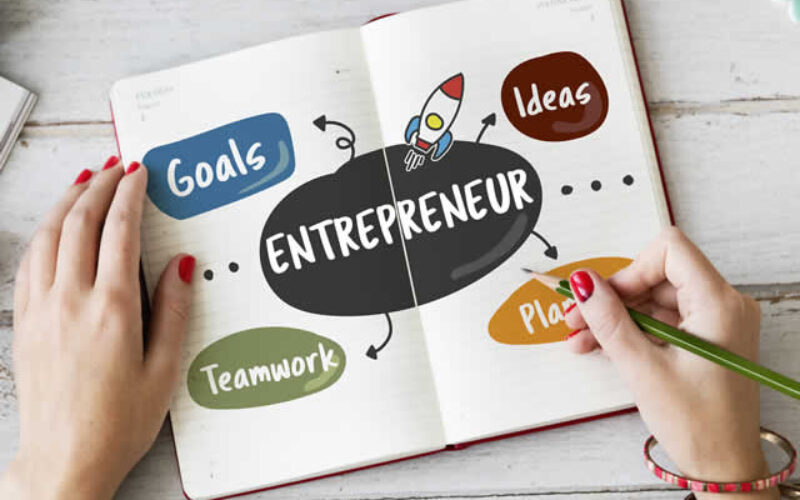
Image Credit: essential skills by envato.com
end of post … please share it!
-------------------------------------------------------------------------------------------------------------
-------------------------------------------------------------------------------------------------------------
home remodeling reference (links to internal page)
 |
 |
 |
 |
| directory | photos | forms | guide |
Helpful article? Leave us a quick comment below.
And please share this article within your social networks.