This makes it essential for owners and managers to buy components that will keep their equipment reliable and support their daily operations. Using these five considerations for purchasing machine parts can help you avoid downtime and reduce replacement cycles within your operations.
Make Sure the Parts Are Compatible
Compatibility should guide every machine-part purchase, because even a well-made component can cause problems when it does not match the equipment or operating environment. Buyers should confirm measurements, tolerances, connection points, material interactions, and manufacturer specifications before placing an order. This review helps reduce installation delays and protects your production schedules from preventable part failures.
Evaluate Material Performance
Another important consideration for purchasing machine parts is whether the component’s material can deliver the performance you need. Choosing one that can’t deliver high performance may result in unwanted shutdowns, forcing you to buy a replacement sooner than you expected.
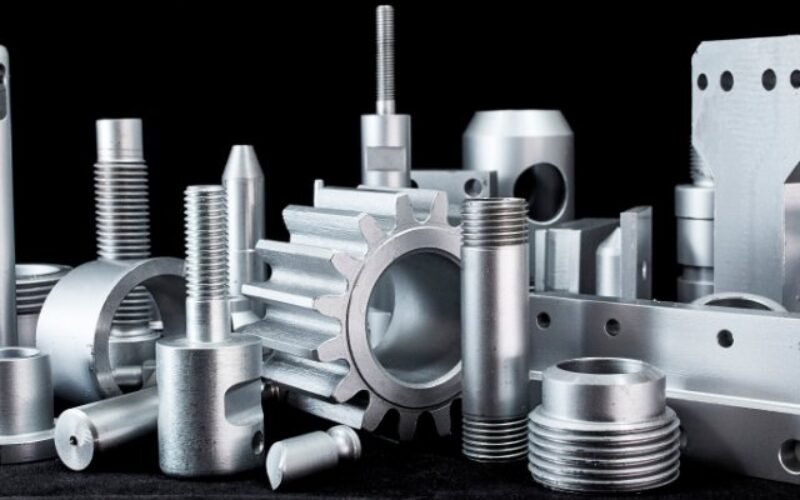
For example, one reason why machined PEEK parts provide long-term reliability is that they remain strong even in extremely warm temperatures. Comparing the various materials available gives decision-makers a stronger basis for aligning performance requirements with budget discipline, especially when factors such as operating conditions and maintenance intervals influence the value of the purchase.
Assess Supplier Capabilities
A supplier should offer more than a catalog number, because complex parts require dependable machining. Business managers should ask whether the supplier can meet tolerance requirements, support repeat orders, provide realistic lead times, and respond to changes in production schedules. Strong supplier capabilities reduce purchasing friction and give leadership more confidence that each order supports planning rather than creating last-minute operational problems.
Compare Total Lifecycle Cost
The lowest quoted price may not deliver the best value when a part causes downtime or results in waste and extra labor. Total cost includes purchase price, shipping, installation time, inspection, maintenance impact, spare inventory needs, and the cost of production interruptions. When managers evaluate machine parts based on their total lifecycle value, they can make better decisions that align with profitability and long-range planning, rather than focusing only on the number quoted.
Verify Quality Control Standards
Quality control protects both production output and customer commitments, so buyers should verify how each supplier checks dimensions, materials, and consistency. For example, inspection reports and documented testing procedures can reduce risk before a larger order reaches the shop floor. Companies that require documentation from the start create stronger accountability and make it easier to identify issues before they affect production schedules or customer obligations.
Purchasing machine parts requires planning, discipline, and execution, especially when equipment uptime supports revenue and customer service. Managers who evaluate these factors can make decisions that support both daily productivity and long-term business performance. A stronger process turns part buying from a reactive task into a practical business decision with measurable operational value, giving companies a better foundation for controlling costs and protecting production capacity.
Image credentials: TiVla, 399513102
end of post … please share it!
-------------------------------------------------------------------------------------------------------------
-------------------------------------------------------------------------------------------------------------
home remodeling reference (links to internal page)
 |
 |
 |
 |
| directory | photos | forms | guide |
Helpful article? Leave us a quick comment below.
And please share this article within your social networks.