
Surface cleaning can look like a straightforward maintenance task until the wrong process damages a component, leaves contamination behind, or creates problems during the next production step. For business owners and managers, choosing a cleaning process requires more than comparing equipment prices or selecting the fastest available option.
The right approach depends on the surface material, the substance that needs removal, the level of cleanliness you require, and what will happen to the surface afterward. Keep reading to understand how to choose the right surface cleaning method for your process.
Start With the Condition of the Surface
Before comparing cleaning technologies, define the problem as precisely as possible. A surface with heavy corrosion requires a different process from a plastic component with invisible organic residue.
Managers should identify the contaminant and how strongly it adheres to the substrate. Common examples include grease, oils, oxidation, paint, adhesives, dust, scale, and manufacturing residues.
The result matters just as much. Some processes need a visibly clean surface. Others require a surface that will accept an adhesive, coating, ink, or sealant reliably.
A part can appear clean while still having characteristics that interfere with bonding. That distinction becomes important when choosing the right surface cleaning method for manufacturing rather than basic housekeeping.
Identify the Substrate Before Selecting Equipment
Cleaning equipment can affect steel, aluminum, polymers, composites, glass, and coated materials in very different ways.
Aggressive mechanical cleaning may work well on a durable metal component but damage a delicate coating. High temperatures can affect heat-sensitive materials. Chemicals that remove one contaminant effectively may react poorly with another substrate.
Businesses should confirm material compatibility before putting a new cleaning process into production. Testing representative parts can reveal discoloration, dimensional changes, surface damage, or other problems before they affect a larger production run.
Consider Mechanical Cleaning Methods
Mechanical methods physically remove contaminants from a surface. Examples include brushing, sanding, grinding, blasting, and other forms of abrasion.
These methods can make sense when a business must remove thick deposits, corrosion, old coatings, or rough surface material. They can also be relatively simple to understand and implement.
The tradeoff is that mechanical cleaning can alter the underlying surface. Abrasive processes may create scratches, change dimensions, or leave media behind. They can also generate dust and require additional cleanup.
Evaluate Chemical and Solvent Cleaning
Chemical cleaning uses solvents, detergents, acids, alkaline solutions, or special formulations to dissolve or loosen contaminants.
These processes can remove oils, grease, residues, and certain forms of oxidation without aggressive mechanical contact. They may also work well for complex shapes because liquids can reach areas that brushes or blasting equipment cannot easily access.
However, chemical use creates operational considerations beyond cleaning performance. Businesses may need procedures for storage, ventilation, handling, spill response, disposal, and employee protection.
Managers should also consider whether chemical residues could interfere with the next production step. A part may require rinsing or drying before bonding, coating, assembly, or packaging.
Look at Ultrasonic Cleaning for Complex Parts
Ultrasonic cleaning places components in a liquid bath and uses high-frequency sound waves to create microscopic bubbles. Their movement helps loosen contamination from exposed surfaces, recesses, and small features.
This process can suit intricate components that would be difficult to clean manually. It also allows many parts to receive relatively consistent treatment under controlled conditions.
Managers should consider whether the component can tolerate immersion and whether the chosen cleaning chemistry is compatible with the material.
Production volume also matters. Batch-based ultrasonic systems may fit some workflows well, while continuous production lines may require a process that integrates directly with moving materials.
Compare Plasma and Laser Cleaning Carefully
Plasma and laser technologies can both support industrial surface preparation, but they perform different functions.
Plasma treatment uses ionized gas to interact with the outer surface of a material. Depending on the application, it can remove certain contaminants while changing surface characteristics that affect wettability and adhesion.
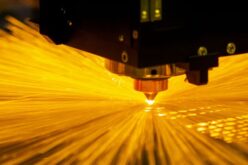
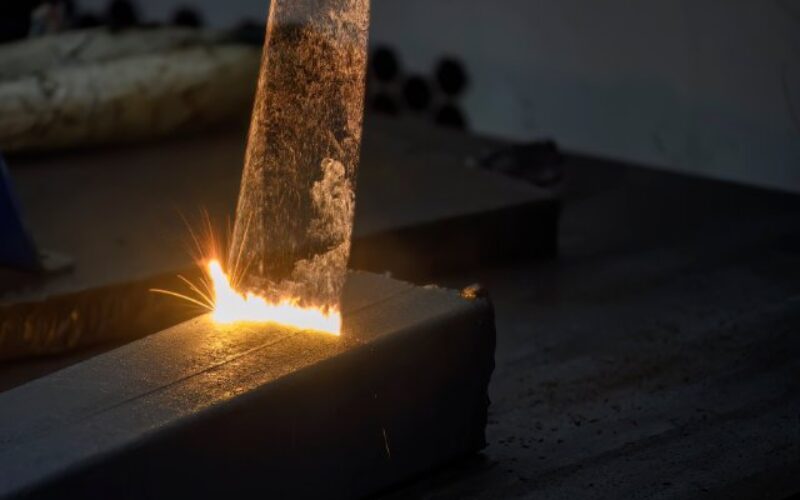
Laser cleaning uses concentrated light energy to remove unwanted material from selected areas. It can be useful for applications involving coatings, oxides, corrosion, or other deposits that need controlled removal.
When comparing plasma and laser cleaning, consider whether your application requires surface activation, material removal, or a combination of preparation steps.
Consider What Happens After Cleaning
The next production step can determine which process makes sense.
If you need to paint, bond, print, seal, or coat the surface, cleanliness alone may not be enough. The surface also needs characteristics that support reliable adhesion.
Conversely, an operation that focuses on stripping corrosion or removing a coating may need precise material removal more than surface activation.
Account for Production Volume and Workflow
A cleaning process that works well for occasional maintenance may not make sense for continuous production.
Businesses should calculate throughput requirements before choosing equipment. Consider how many parts need treatment during each shift and how much time employees can spend loading, cleaning, inspecting, and transferring them.
Integration can also influence labor costs. Some systems can operate as part of an automated production line, while others require dedicated handling or batch processing.
Examine Safety Requirements
Every industrial cleaning process introduces some form of risk that requires appropriate controls.
Mechanical cleaning may generate dust or flying debris. Chemical systems can involve fumes, skin exposure, storage requirements, or hazardous waste. Energy-based technologies may require enclosures, ventilation, interlocks, specialized training, or other engineering controls.
Businesses should review manufacturer instructions and applicable workplace requirements before equipment goes into service. Employee training should cover normal operation, maintenance procedures, emergency response, and required personal protective equipment.
Compare Total Cost Instead of Purchase Price
Equipment price provides only one part of the financial picture.
A lower-cost system may require considerable labor, consumables, waste disposal, maintenance, or downtime. A more expensive system may reduce recurring expenses or increase production consistency.
Managers should estimate costs over the entire service life of the equipment. Useful categories include labor, energy, consumable materials, maintenance, replacement parts, waste handling, training, and quality-related rework.
Test the Process Before Full Implementation
A promising technology should demonstrate that it works on the actual materials and contaminants.
Sample testing allows decision-makers to compare cleaning quality, processing time, surface effects, and compatibility with later production steps. Tests should use representative parts rather than ideal laboratory samples whenever practical.
Businesses should also define acceptance criteria before evaluating results. Without clear standards, teams may disagree about whether a part is sufficiently clean.
Choose Based on the Entire Process
There is no universal cleaning method that fits every operation. The best choice depends on the contaminant, substrate, production environment, quality requirements, and the next step in the workflow.
Business managers can make a stronger decision by defining the required surface condition first and evaluating technologies against that standard. Equipment cost matters, but so do labor demands, process consistency, safety requirements, material compatibility, and long-term operating expenses.
A structured evaluation turns surface cleaning from a routine purchasing decision into a practical process improvement. When the chosen technology matches both the material and the production requirement, businesses can protect product quality while creating a more efficient operation.
Image Credentials: by Pixel_B, #626960137
-------------------------------------------------------------------------------------------------------------
-------------------------------------------------------------------------------------------------------------
home remodeling reference (links to internal page)
 |
 |
 |
 |
| directory | photos | forms | guide |
Helpful article? Leave us a quick comment below.
And please share this article within your social networks.