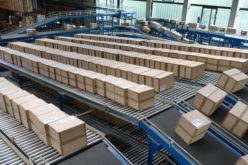
Business operations in regulated industries require strict oversight of logistics infrastructure. Packaging systems, storage equipment, and transportation materials all fall under compliance scrutiny. In sectors where oversight agencies monitor sanitation, traceability, and product integrity, routine handling tools must meet documented standards.
These realities explain why custom pallet standards exist in regulated sectors, where pallet design becomes part of operational compliance rather than a routine purchasing decision. Material composition, structural capacity, and dimensional consistency can influence inspection outcomes, shipment stability, and documentation requirements throughout the supply chain.
Regulatory Pressure and Material Handling
Federal and state regulations shape how goods move through manufacturing and distribution environments, particularly in pharmaceutical, food, and defense-related industries. All of which require traceability, contamination control, and documented handling procedures. Standard pallets may lack the dimensional precision, material composition, or structural integrity necessary to meet those benchmarks.
When compliance officers assess facility readiness, they examine storage conditions, load stability, and sanitation controls. Pallet design influences airflow, cleanability, and weight distribution across racking systems, which affect compliance outcomes. Deviations can lead to audit findings, shipment delays, rejected inventory, or corrective action plans that interrupt distribution schedules.
Risk Exposure in High-Compliance Industries
Operational risk in regulated sectors from pallet failure can trigger investigations, product recalls, or contractual disputes tied to quality assurance provisions. Business owners must account for how material handling infrastructure influences insurance exposure, indemnification terms, and liability distribution across supply chain partners.
Industry analysis examining why certain industries require custom pallet solutions points to the operational constraints faced by sectors such as pharmaceuticals. These environments require pallets that support specific load weights while limiting contamination risk during storage and transport. Aligning pallet specifications with those expectations reduces friction across procurement, warehousing, and transportation networks while reinforcing defensible operating standards.
Documentation, Traceability, and Audit Readiness
Regulated industries require documentation that traces materials from origin to delivery. During inspections, regulators may verify pallet composition, treatment methods, and repair history to confirm compliance with handling standards. Generic pallets sourced through secondary markets rarely provide consistent documentation trails or standardized inspection records.
Custom standards allow organizations to define uniform dimensions, labeling systems, and inspection protocols. These specifications support internal quality systems and simplify third-party audits. They also improve coordination between procurement teams, warehouse managers, and compliance officers responsible for multi-state distribution oversight.
Cost Management Through Standardization Strategy
Custom pallet specifications can influence cost management in regulated industries. Tailored designs reduce shrinkage, improve stacking efficiency, and protect goods from damage during storage and transit. More stable loads and fewer handling issues can lower transportation costs while improving warehouse space utilization.
Business managers who treat pallet standards as part of enterprise risk management see fewer disruptions tied to compliance deficiencies. Also, structured specifications create predictable procurement cycles, clearer supplier accountability, and measurable performance benchmarks within logistics operations.
Operational Stability in Regulated Markets
The operational factors behind why certain industries require custom pallet solutions illustrate how compliance pressures shape infrastructure decisions across modern supply chains. Pallet design directly influences sanitation standards, load security, documentation integrity, and audit outcomes. When managers evaluate these requirements strategically, they strengthen operational stability while limiting exposure to regulatory setbacks.
Image Credentials: By Kadmy, #103328972
-------------------------------------------------------------------------------------------------------------
-------------------------------------------------------------------------------------------------------------
home remodeling reference (links to internal page)
 |
 |
 |
 |
| directory | photos | forms | guide |
Helpful article? Leave us a quick comment below.
And please share this article within your social networks.