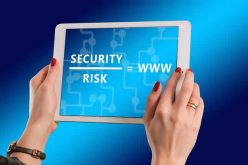
Cyber attackers are increasingly active, and a significant portion of these threats originate from foreign sources. While you might feel your business is too small to catch their attention, cybercriminals often look for the path of least resistance.
Small and medium-sized businesses frequently lack the robust security infrastructure of large corporations, making them unintended but highly vulnerable targets. Securing your company and customer data is a vital part of nurturing your business and ensuring it thrives for years to come.
- post content
- The Evolving Landscape of International Cyber Attacks
- Identifying Vulnerabilities in Small and Medium-Sized Enterprises
- Critical Steps for Establishing Immediate Data Security
- The Role of Employee Training in Preventing Breach Attempts
- Implementing Robust Encryption and Access Control Measures
- Conducting Regular Audits and Compliance
- Prioritizing Cybersecurity as a Core Business Function
- collective business notes
The Evolving Landscape of International Cyber Attacks
The digital environment we operate in connects us to people all over the world, bringing wonderful opportunities for growth alongside new types of risks. International cyber threats have shifted from highly targeted corporate espionage to automated, widespread attacks that sweep the internet looking for open doors.
These automated scripts do not distinguish between a multinational conglomerate and a local family-owned shop. They simply search for weaknesses.
By understanding that these global threats are a natural part of the modern business ecosystem, you can take thoughtful, proactive steps to shield your hard work from harm.

Identifying Vulnerabilities in Small and Medium-Sized Enterprises
Taking an honest look at your current digital setup is the first step toward creating a secure environment. Many smaller organizations operate with outdated software, relying on legacy systems because they are familiar and seemingly cost-effective.
Unfortunately, software providers frequently release updates specifically to patch known security flaws. Leaving these systems unpatched is akin to leaving the front door of your shop unlocked overnight.
Furthermore, small businesses often lack dedicated IT security personnel, meaning that basic protections like network firewalls or secure Wi-Fi configurations are sometimes overlooked. Recognizing these gentle gaps in your armor allows you to address them before anyone else can exploit them.
Critical Steps for Establishing Immediate Data Security
Creating a safe haven for your business data does not have to be an overwhelming technical hurdle. You can begin by implementing fundamental security hygiene practices that immediately elevate your defense posture.
Start by turning on automatic updates for all your operating systems, applications, and antivirus software. This simple action ensures you are always protected against the latest known threats.
Next, establish a reliable routine for backing up your critical data. Store these backups securely offsite or in a protected cloud environment.
If an unexpected event does compromise your network, having a clean, recent backup ensures you can restore your operations quickly and peacefully, without losing the valuable information your customers have entrusted to you.
The Role of Employee Training in Preventing Breach Attempts
Your employees are the heart of your organization, and with the right guidance, they can become your strongest layer of security. Many international cyber attacks rely on deceptive tactics, such as phishing emails designed to trick individuals into revealing passwords or downloading malicious files.
Providing a supportive, educational environment for your team is essential. Teach them how to gently scrutinize unexpected email attachments, verify urgent requests for sensitive information, and create strong, unique passwords for their accounts.
When your staff feels confident and knowledgeable about digital safety, they become an active, vigilant community protecting the business from the inside out.
Implementing Robust Encryption and Access Control Measures
As you continue to build a secure framework for your business, managing who has access to your information becomes incredibly important. Access control means applying the principle of least privilege, ensuring that employees only have access to the data they absolutely need to perform their daily tasks.
This thoughtful boundary prevents accidental exposure and limits the potential damage if a single account is compromised. Alongside access control, utilizing encryption acts as a protective blanket for your most sensitive data.
Encryption scrambles your information into an unreadable format for anyone who does not possess the correct digital key. Whether your data is resting quietly on a hard drive or traveling across the internet to a client, encryption keeps it entirely private and safe from prying eyes.
Conducting Regular Audits and Compliance
Just as a garden requires seasonal pruning and health checks to bloom beautifully, your cybersecurity practices need regular attention to remain effective. Conducting routine security audits helps you discover new vulnerabilities that may have emerged as your business grew or changed over time.
These gentle check-ups involve reviewing user access logs, testing your data backup restoration process, and ensuring your security software is functioning correctly.
Additionally, depending on your industry, adhering to specific data protection compliance standards provides a wonderful roadmap for best practices.
Staying compliant not only protects your organization from fines but also signals to your customers that you deeply respect and protect their personal information.
other related articles of interest:
Essential Cybersecurity Tactics Every Business Needs
Growth Without the Chaos: A Practical Planning Guide for Contracting Businesses
Prioritizing Cybersecurity as a Core Business Function
Protecting your business from global cyber threats is an ongoing practice of care and responsibility. It is perfectly normal to feel a bit intimidated by the technical aspects of digital security, but taking small, consistent steps will build a powerful defense over time.
By recognizing vulnerabilities, empowering your employees through education, and establishing foundational protections like updates and encryption, you create a resilient environment.
Treat cybersecurity not as a burden, but as an essential, nurturing component of your business strategy. In doing so, you ensure that your business remains a safe, trustworthy space for your team and your cherished customers.

Image Credit: global cyber threats by envato.com
end of post … please share it!
-------------------------------------------------------------------------------------------------------------
-------------------------------------------------------------------------------------------------------------
home remodeling reference (links to internal page)
 |
 |
 |
 |
| directory | photos | forms | guide |
Helpful article? Leave us a quick comment below.
And please share this article within your social networks.