

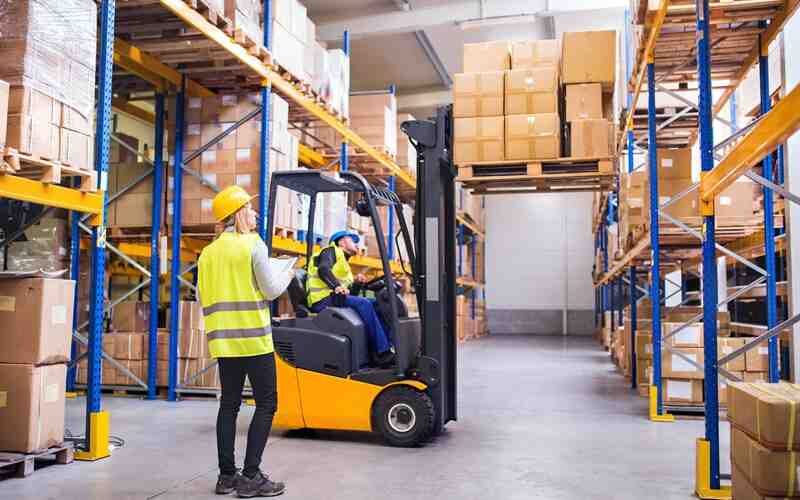

Warehouses depend on constant movement to keep products flowing and orders on schedule. However, busy environments also create hazards that can threaten employees and interrupt operations. Understanding major warehouse safety concerns helps managers identify vulnerable areas before an accident occurs. From moving equipment to unstable inventory, each risk demands precautions. A strong safety culture begins when employers recognize how everyday decisions affect workers. With clear expectations and thoughtful planning, warehouse teams can reduce preventable incidents consistently while maintaining the productivity customers expect.
Forklift Traffic and Equipment Collisions
Forklifts help employees move heavy inventory efficiently, but their size and limited visibility create collision risks. Operators may struggle to see around tall loads or navigate congested aisles. Meanwhile, pedestrians sometimes enter equipment routes without realizing that a driver cannot stop immediately. These conditions become dangerous near busy intersections and crowded loading areas where traffic patterns change frequently.
Managers should establish dedicated travel lanes and enforce operating speeds. Clear floor markings help workers recognize where equipment belongs, while mirrors improve visibility around obstructed corners. Operators also need training that addresses the challenges of their facility. Regular inspections can reveal worn tires or faulty warning devices before they contribute to an incident.
Pedestrian Movement Through Busy Aisles
Employees walk between storage racks and packing stations while powered equipment operates nearby. Without defined routes, workers may take shortcuts through active forklift zones. Distractions can make these crossings even more hazardous, particularly when employees carry items that obstruct their view.
Facilities can improve pedestrian safety in warehouses by separating walking paths from vehicle traffic wherever possible. Physical barriers offer stronger protection than painted lines in high-traffic locations. Designated crossings also give operators predictable places to watch for people. Supervisors should reinforce these boundaries during meetings and correct unsafe shortcuts before they become habits.
Falling Inventory and Unstable Storage
Poorly stacked products can shift, placing anyone working nearby at risk. Heavy cartons stored above lighter materials may cause stacks to collapse. Damaged pallets can also fail when employees lift them or place them onto elevated racks. Even a small falling object can cause a serious injury when it drops from height.
Warehouse teams should follow stacking limits and distribute weight according to rack specifications. Employees must inspect pallets before loading them and report damaged shelving. Managers should also discourage workers from climbing racks to retrieve misplaced inventory. Approved access equipment provides a safer way to reach products stored overhead.
Slips, Trips, and Obstructed Walkways
A warehouse floor can become hazardous when packaging materials accumulate or spills remain unattended. Loose stretch wrap may catch a worker’s foot, while leaking equipment can leave slippery patches along busy routes. Uneven flooring creates additional problems for employees moving carts or carrying heavy packages.
Good housekeeping requires more than cleanup. Teams should remove discarded materials each shift and respond quickly to reported spills. Supervisors can assign responsibility for zones so that hazards do not go unnoticed. Adequate lighting helps employees identify floor conditions before stepping into danger. Routine inspections also reveal recurring issues that require repairs.
Loading Dock and Trailer Hazards
Loading docks combine elevated edges with frequent vehicle movement, making them sensitive areas. A trailer may shift during loading if workers fail to secure it. Forklift operators can also approach an unprotected dock edge without realizing how little space remains. Changes in trailer height may create gaps that destabilize equipment.
Before loading begins, employees should confirm that appropriate restraints or wheel chocks secure the vehicle. Dock levelers must match the trailer position and remain in working condition. Workers should also verify that trailer floors can support the load. Clear communication between drivers and warehouse personnel prevents departures while employees remain inside a trailer.
Improper Lifting and Repetitive Strain
Not every warehouse injury results from a sudden accident. Repeated lifting and awkward movements can strain muscles and joints. Employees who reach across deep shelves or twist while carrying heavy items face increased discomfort over time. Pressure to complete orders quickly may encourage workers to ignore early warning signs.
Managers can reduce these risks by placing frequently handled products within comfortable reach. Lift tables and other mechanical aids limit unnecessary physical effort. Training should emphasize lifting techniques while encouraging employees to request assistance with oversized loads. Rotating suitable tasks may also reduce prolonged exposure to the same demanding movements.
Conveyor and Machinery Dangers
Conveyors streamline material handling, yet exposed moving components can catch loose clothing or pull hands toward dangerous pinch points. Employees sometimes attempt to clear jams while equipment remains active, creating opportunities for severe injuries. Unexpected startups can also endanger maintenance workers who believe they have safely shut down a machine.
Facilities should maintain guards and keep emergency stop controls accessible. Authorized employees must follow established lockout procedures before servicing equipment that could unexpectedly energize. Supervisors should never encourage shortcuts to recover lost production time. Preventive maintenance helps identify mechanical problems before they create situations on the warehouse floor.
Fire Risks and Emergency Preparedness
Warehouses often contain combustible packaging and electrical equipment that require management. Blocked exits can delay evacuation, while overloaded electrical connections may increase the chance of a fire. Improper storage near heat sources creates exposure, especially when employees overlook changing inventory arrangements.
Managers should keep exit routes unobstructed and verify that emergency equipment remains accessible. Employees need to understand evacuation procedures and know where to report after leaving the building. Routine drills can reveal confusing instructions or bottlenecks that plans overlook. Facilities should also review storage practices whenever operations introduce unfamiliar materials or equipment.
Building a Stronger Safety Culture
Safety improvements work best when employees participate rather than treating rules as paperwork. Workers often notice hazards before managers do because they encounter the same conditions throughout their shifts. Encouraging prompt reporting helps facilities address small problems before they become incidents. Supervisors must respond constructively so employees feel comfortable raising concerns.
Consistent training keeps expectations clear as warehouse layouts change and new equipment arrives. Managers should review near misses and adjust procedures when patterns emerge. Recognizing responsible behavior reinforces the idea that safe operations matter as much as daily output.
Protecting Workers Through Consistent Prevention
Addressing major warehouse safety concerns requires ongoing attention rather than occasional inspections. Equipment traffic and storage practices can change quickly as inventory demands shift. Managers who listen to employees and correct hazards promptly create a more dependable workplace. By combining practical safeguards with shared accountability across departments, warehouses can protect their teams while supporting reliable operations over the long term, even during demanding seasons.
Image Credentials: By Halfpoint, 189209432
-------------------------------------------------------------------------------------------------------------
-------------------------------------------------------------------------------------------------------------
home remodeling reference (links to internal page)
 |
 |
 |
 |
| directory | photos | forms | guide |
Helpful article? Leave us a quick comment below.
And please share this article within your social networks.


