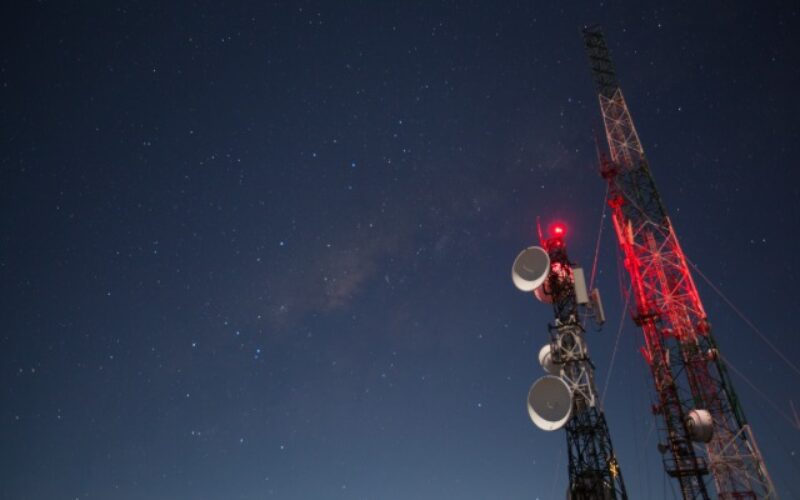
In active operating environments, why infrastructure visibility impacts public safety becomes less about appearance and more about whether people can react before a routine moment turns costly. Clear visual control over assets and hazards helps prevent confusion that can ripple far beyond a single site.
Visibility Shapes Risk Before an Emergency Starts
Public safety is usually decided before anyone realizes a hazard is developing. A clearly marked and properly lit tower gives pilots and nearby operators the visual information they need to make safer decisions under ordinary conditions. Because of that, visibility functions as an early control measure rather than a final detail applied after the real work is done. When a business neglects control, preventable confusion can take center stage in an otherwise routine situation.
Tower Conditions Must Stay Readable in Real Time
A tower may still be structurally sound while presenting a growing safety issue if key visual cues have become unreliable. Faded paint or obstructed warning signs can make a site harder to assess quickly from the air or the ground. In practical terms, a business is no longer managing only the structure itself but also how the public perceives that structure in changing conditions. Weather and nearby development can all reduce visibility in ways that deserve active oversight.
Compliance Has a Direct Safety Function
Some business owners treat marking and lighting obligations as if they exist mainly to satisfy inspection requirements. In reality, those obligations help reduce the chances of collision and unsafe approach decisions when visibility is limited. That is why maintaining tower lighting and marking requirements supports more than compliance alone; it supports a safer operating environment around the structure.
Maintenance Becomes Safer When Hazards Are Easier to Identify
Tower work depends on accurate judgment before lifting the first tool or beginning the first climb. Crews need clear sightlines and legible warning points so they can evaluate the site without hesitation or mistaken assumptions. As a result, good visibility supports safer maintenance planning and fewer surprises during service activity. Poor visibility, by contrast, can turn ordinary work into a higher-risk operation without changing the task itself.
Business Oversight Depends on Consistent Visibility Standards
A single tower issue can reflect a broader management problem when it signals weak inspection practices or inconsistent maintenance priorities. Business owners who manage multiple sites need visibility standards that remain consistent across operating conditions, or small lapses can spread quietly. Strong oversight means checking how a tower presents in time, not merely confirming that a checklist was completed. A structure that cannot be clearly read by the people around it already signals a gap in control.
Visibility is one of the clearest signs of whether a tower site is being managed with accountability. For business owners, why infrastructure visibility impacts public safety lies in how quickly risk can be recognized before conditions turn unforgiving. A structure that is easy to identify sends a stronger message about responsibility. When that standard is maintained, safety becomes part of the site’s presence and not a response after something goes wrong.
Image Credentials: by Imaking, File #158638206
end of post … please share it!
-------------------------------------------------------------------------------------------------------------
-------------------------------------------------------------------------------------------------------------
home remodeling reference (links to internal page)
 |
 |
 |
 |
| directory | photos | forms | guide |
Helpful article? Leave us a quick comment below.
And please share this article within your social networks.