Though they may not be the most exciting thing to schedule and make time for, they ensure that your building is safe and running smoothly. In fact, inspections could save your company quite a bit of money if they catch an issue before it becomes a big problem.
To help you figure out your inspection schedule, we’ve outlined important types of maintenance inspections you should schedule soon—take a look here.
Safety Inspections
The most common—and some say the most important—inspection you should schedule quite regularly, is a safety inspection. Managers can complete this inspection if they know what to look for, but if they’re not completely confident, it’s better to have a professional walkthrough and complete a safety inspection.

This will include everything from checking first aid kits to inspecting fall protection for both builders and civilians. No matter what sort of business you have, safety is an essential piece for success.
Electrical Inspections
Without regular electrical inspections, entire buildings can go up in flames. Even if the building has been around for a while, regular electrical inspections are imperative to building safety.
These inspections should bring in a professional and will most likely start with battery replacement in smoke and carbon monoxide detectors.
But this inspection will go further and take a look at the building’s wiring. These inspections are especially important if electrical work was just completed.
HVAC Inspections
You may not think about it—and a lot of people don’t—but regular HVAC inspections are a must. HVAC maintenance is vital, and ignoring it will put the building headfirst into various potential risks.
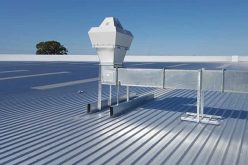
Inspectors will look at the air intake, motors, and ductwork of the building. They should also check any loose panels and hardware—managers won’t want to deal with this when the air conditioning breaks in the hottest months of the year.
Before summer hits, an HVAC inspection is absolutely essential.
Plumbing Inspectors
Plumbing inspections are another maintenance check that should be done at least once a year. They should look for leaks, noises, and damage. This is one of the main inspections that could end up saving the building money.
Say the inspector finds a big pipe leak—it won’t just save you money to take care of it now rather than when mold sets in, but it will also lower any water bills. Sewage and sump pumps are another big inspection area as well.
other valuable tips:
Know All About Business Heating and Cooling Systems
DIY Not? How to Know When Office Repairs Are Too Risky to Do In-House
Interior and Exterior Building Inspections
The last type of maintenance inspection we’ll discuss is a general building inspection. Interior inspections will look at walls, ceilings, and floors to determine if there are any damages, leaks, or significant deterioration.
They’ll walk through to see if there are any hazards and ensure proper operation of doors and locks—for example, they’ll look to see if important exits are blocked.
Exterior inspectors will delve into the roofing, draining, sidewalks, and driveways. This inspection ensures that the exterior is running smoothly and safely.
If you haven’t scheduled one of these inspections in a while, take the time to plan one out. It’s better safe than sorry and could save loads of money and stress in the future.
Image Credit: maintenance inspections by Pixabay
end of post … please share it!
GUIDE: FREE business forms
-------------------------------------------------------------------------------------------------------------
-------------------------------------------------------------------------------------------------------------
home remodeling reference (links to internal page)
 |
 |
 |
 |
| directory | photos | forms | guide |
Helpful article? Leave us a quick comment below.
And please share this article within your social networks.