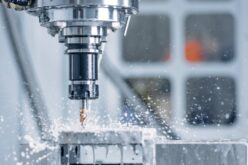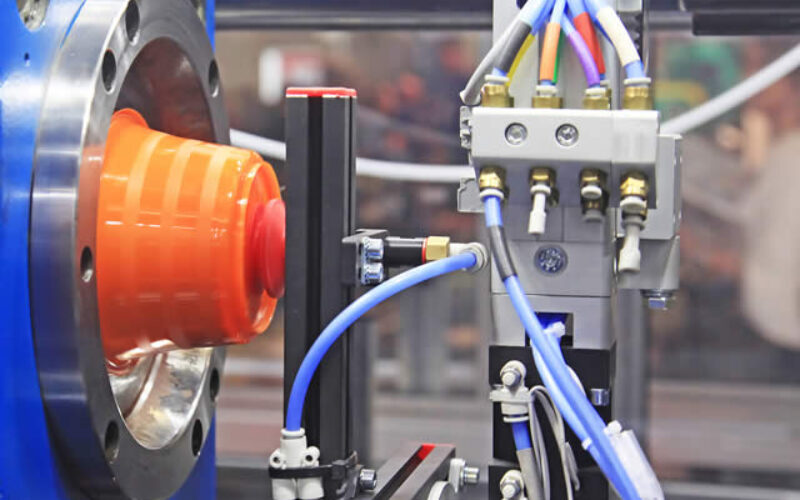
Two highly popular production methods for plastic parts are reaction injection molding (RIM) and injection molding. While they may sound like similar processes, reaction injection molding and injection molding have numerous differences.
To determine which one of these plastic part production methods are right for your application, check out this guide on the differences between reaction injection molding vs. injection molding.
Production Processes

The reaction injection molding process involves combining two liquid polymers known as polylol and isocyanate together. Once combined, the mixture is added to a heated mold where they undergo a chemical reaction that causes them to expand and fill the mold.
Upon expanding, the mixture quickly sets into a solid part. Due to the low viscosity of the mixture, the process doesn’t require extremely high temperatures or pressures.
The injection molding process, however, requires the use of exceptionally high temperatures to melt a sheet of plastic resin.
The resin is then added into a premade steel mold where air pressure, a vacuum, or both are used to help mold the viscous material to its container.
Production and Tooling Costs
One of the main differences between RIM and injection molding is their production and tooling costs. Compared to RIM, injection molding has lower part production costs. As such, it is a great option for producing a large number of smaller parts.
However, if you are producing larger, more complex parts at a smaller volume, RIM is often ideal due to its lower tooling costs. Rather than being made out of expensive steel, RIM tools are created from low-cost aluminum.
As such, RIM tools generally cost tens or even hundreds of thousands of dollars less than injection molding tools of the same size. If you aren’t producing a large quantity of your part, it doesn’t make sense to make such a large tooling investment in an attempt to save money on the individual part production process.
Design Flexibility
Another key difference between these two plastic part production processes is the amount of design freedom that they offer. Reaction injection molding offers more design flexibility than most other production processes—including injection molding.
other valuable tips:
How You Can Expect To Have Supplies From The Best Rubber Molding Products Suppliers
Unlike injection molding, reaction injection molding allows part designers to encapsulate metal and electronics, add mold stiffening ribs, and produce large-scale parts. RIM is also the only molding process that is able to produce parts with significant variations in wall thicknesses.
This capability is due to the low viscosity of the RIM material which allows it to flow into hard-to-reach areas of the mold. If your product would benefit from such capabilities, you may want to opt for RIM and the large amount of design freedom it provides.
Image Credit: differences between RIM and injection molding by envato.com
end of post … please share it!
GUIDE: business tools
-------------------------------------------------------------------------------------------------------------
-------------------------------------------------------------------------------------------------------------
home remodeling reference (links to internal page)
 |
 |
 |
 |
| directory | photos | forms | guide |
Helpful article? Leave us a quick comment below.
And please share this article within your social networks.