Are you confused about which security system actually delivers real protection?
You’re definitely not alone. Home security has become a hot topic, and for good reason. With property crime rates fluctuating and opportunistic burglars always on the lookout, protecting your home isn’t just a luxury—it’s a necessity.
The good news? Modern alarm monitoring systems have made it easier than ever to keep your property and loved ones safe, without breaking the bank.
In this guide, we’ll walk you through everything you need to know about securing your home with alarm monitoring systems. From understanding how these systems work to choosing the right provider, we’ve got you covered.
You’ll learn about the different types of monitoring available, what features matter most, and how to avoid common mistakes that could leave your home vulnerable. Let’s get stuck into it.
Understanding Alarm Monitoring Systems
What Is an Alarm Monitoring System?
An alarm monitoring system is essentially your home’s personal security guard—except it never sleeps, never takes breaks, and watches over your property around the clock. These systems use a combination of sensors, cameras, and communication technology to detect potential threats and alert the appropriate parties.
At its core, a house security system connects multiple components throughout your home. Think door sensors, window contacts, motion detectors, and sometimes glass break sensors. When something triggers these devices, the system springs into action.
How Do Home Alarm Monitoring Systems Work?
When a sensor detects unusual activity—say, a door opening when it shouldn’t—it sends a signal to your control panel. This panel acts as the brain of your operation, processing information and deciding what happens next.
With monitored systems, this alert gets transmitted to a professional monitoring centre. Trained operators assess the situation and can contact emergency services on your behalf. Self-monitored systems, on the other hand, send notifications directly to your smartphone, leaving you to decide what action to take.
Monitored vs Unmonitored Systems: What’s the Difference?
The main distinction comes down to who’s watching. Professional monitoring means someone’s always ready to respond, even if you’re unreachable. Unmonitored systems rely solely on you to notice alerts and react accordingly.
Both have their place, but if you travel frequently or simply want peace of mind, professional monitoring often proves worthwhile.
Types of Home Alarm Monitoring Systems
Professional 24/7 Monitoring Services
Professional monitoring services offer round-the-clock surveillance of your home. When an alarm triggers, trained operators immediately assess the situation and contact emergency services if needed.
This option suits homeowners who want comprehensive protection without the stress of constantly checking their phone. Most services also include regular system checks and maintenance support, which keeps everything running smoothly.
Self-Monitoring Options
Self-monitoring puts you in the driver’s seat. You’ll receive instant notifications on your smartphone whenever something triggers your sensors, allowing you to check camera feeds and decide whether to call the authorities.
This approach works brilliantly for tech-savvy homeowners who prefer hands-on control. It’s also typically cheaper since you’re not paying ongoing monitoring fees. However, it does require you to stay alert and respond promptly to notifications.
Wireless vs Wired Alarm Systems
Wireless systems have become incredibly popular thanks to their easy installation and flexibility. You can move sensors around as needed and won’t have to worry about drilling holes everywhere.
Wired systems, while more complex to install, often prove more reliable in the long run. They’re not susceptible to signal interference and don’t require battery changes. Many homeowners opt for a hybrid approach, combining the best of both worlds.
Key Features to Look for in a House Security System
Motion Sensors and Entry Point Detection
Quality motion sensors form the backbone of any effective house security setup. Look for pet-immune sensors if you have furry friends—these clever devices ignore movement from animals under a certain weight while still detecting human intruders.
Entry point detection covers your doors and windows. Magnetic contacts alert you whenever these access points open unexpectedly, giving you immediate notification of potential break-ins.
CCTV Integration and Smart Camera Options
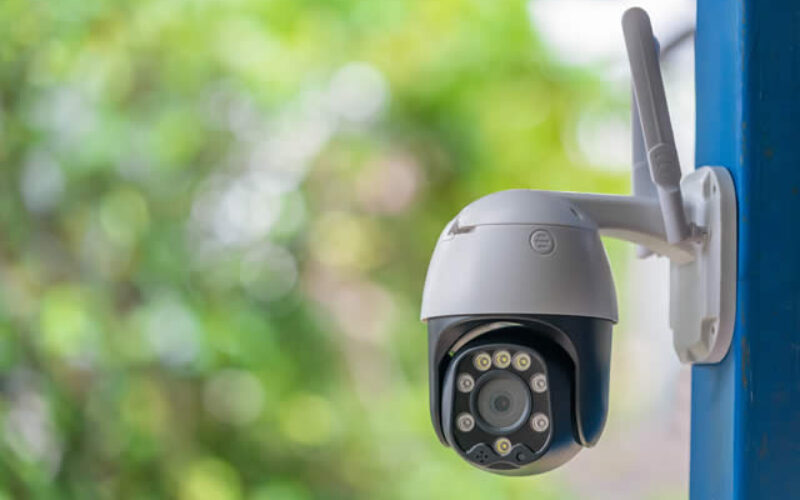
Modern security cameras offer crystal-clear footage, night vision, and even facial recognition. Integration with your alarm system means cameras can automatically start recording when sensors trigger.
Smart cameras allow you to check live feeds from anywhere using your phone. Some even feature two-way audio, letting you communicate with visitors—or tell suspicious characters to clear off.
Mobile App Connectivity and Remote Access
A reliable mobile app transforms your smartphone into a security command centre. You should be able to arm and disarm your system, view camera feeds, and receive instant alerts wherever you are.
Look for apps with intuitive interfaces and quick response times. The last thing you want is a clunky app that takes forever to load when you’re trying to check on a potential emergency.
Backup Power and Cellular Connectivity
Power outages and cut phone lines shouldn’t leave your home unprotected. Quality systems include battery backup that keeps everything running during blackouts.
Cellular connectivity provides an alternative communication path if your internet goes down. This redundancy makes sure your monitoring centre stays informed no matter what.
Is Professional Monitoring Worth the Investment?
For many homeowners, the answer is yes. The peace of mind knowing someone’s always watching—especially during holidays or overnight—often outweighs the monthly expense.
Consider your lifestyle, budget, and risk tolerance. If you’re frequently away or live in a higher-risk area, professional monitoring becomes particularly valuable.
Step-by-Step Guide: How to Secure Your Home with an Alarm System
Assessing Your Home’s Vulnerabilities
Walk around your property with fresh eyes. Check all entry points, including side gates, garage doors, and windows that might be hidden from street view. Note any dark areas that could provide cover for intruders.
Consider which rooms contain your most valuable items and prioritise protection accordingly. Don’t forget about less obvious vulnerabilities like pet doors or accessible skylights.
Choosing the Right System for Your Property
Match your system to your specific needs. A small apartment might only need basic door sensors and a camera, while a sprawling family home requires comprehensive coverage.
Think about future expansion too. Choose a system that allows you to add components as your needs evolve.
Professional Installation vs DIY Setup
Professional installation guarantees everything’s set up correctly and optimally positioned. Technicians can identify vulnerabilities you might miss and provide valuable advice.
DIY installation saves money and gives you complete control. Many modern systems are genuinely easy to install—just follow the instructions carefully and test everything thoroughly.
Testing and Maintaining Your System
Regular testing keeps your system reliable. Most experts recommend monthly tests of all sensors and annual professional inspections.
Replace batteries proactively, keep cameras clean, and update firmware when prompted. A well-maintained system performs when you need it most.
Common Mistakes to Avoid When Setting Up Home Security
Don’t advertise your security company with outdoor signage—it can help burglars research your system’s weaknesses. Avoid predictable alarm codes like birthdays or simple sequences.
Many homeowners forget to secure the control panel itself or place sensors in ineffective locations. Take time to position everything strategically for maximum effectiveness.
Do Alarm Systems Actually Deter Burglars?
Research consistently shows that visible security systems discourage break-ins. Most burglars are opportunists who’ll simply move on to an easier target when they spot alarm components.
Even basic deterrents like motion-activated lights and visible cameras significantly reduce your risk. Combined with proper monitoring, you’ve got a formidable defence.
What Happens When Your Alarm Is Triggered?
The monitoring centre receives an immediate alert and attempts to contact you. If they can’t reach you or you confirm an emergency, they’ll dispatch police or other services.
Response times vary by location, but having professionals coordinate the response typically results in faster police arrival than self-reporting.
Choosing a Reputable House Security Provider
Research providers thoroughly before signing anything. Check online reviews, ask for references, and verify they hold appropriate licences for your state.
Compare contracts carefully—watch for lock-in periods, cancellation fees, and exactly what’s included in quoted prices. A reputable provider will happily answer all your questions.
Taking the First Step Towards a Safer Home
Securing your home with an alarm monitoring system doesn’t have to be complicated or overwhelming. We’ve covered the essentials—from understanding how these systems work to choosing the right features and avoiding common pitfalls.
The key takeaway? There’s a house security solution for every budget and lifestyle. Whether you opt for professional 24/7 monitoring or prefer a self-monitored setup, the important thing is taking action. Even basic protection dramatically reduces your risk of becoming a burglary statistic.
Start by assessing your home’s vulnerabilities and deciding what level of protection feels right for your family. Reach out to reputable providers for quotes and don’t be afraid to ask questions. Your home is your sanctuary—it deserves proper protection.
Why not take that first step today?

Image Credit: alarm monitoring systems by envato.com
end of post … please share it!
-------------------------------------------------------------------------------------------------------------
-------------------------------------------------------------------------------------------------------------
home remodeling reference (links to internal page)
 |
 |
 |
 |
| directory | photos | forms | guide |
Helpful article? Leave us a quick comment below.
And please share this article within your social networks.