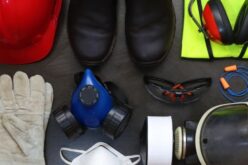
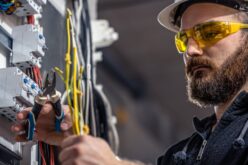
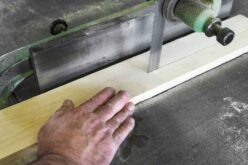
Failure to follow safety guidelines could incur regulatory fines, bad press, law suits, and lower productivity due to injuries that keep employees off the job. There are some sensible precautions that should be taken for even the most dangerous environments.
Chemicals
Most companies use chemicals of one kind or another, even if it’s just cleaning products. Pesticides, acids, bleaches, alkalis, and harsh solvents are used in many industries such as textiles, vehicle and equipment repair, dry cleaning, and agriculture. Fumes that build up in the air through lack of ventilation or careless handling can lead to chronic respiratory problems and cancer. It’s important that all safety measures such as gloves, respirators, and eye goggles are used per OSHA requirements.
Manufacturing
In addition to chemicals, many manufacturing processes will include machines, conveyor belts, and forklifts that can break limbs or end lives if caution is not used. It’s important to put up "CAUTION" signs and warnings, safety guards and rails, and mirrors or cameras allowing full 360-degree views to avoid accidents. All equipment should be equipped with "kill" switches and shut down completely during maintenance and setup.
Also ensure that all of your business equipment is regularly maintained to avoid any accidents due to faulty machinery. It may be tempting to wait until there is a problem to call a mechanic, but the potential costs of a workplace injury could turn out to be way more expensive than regular maintenance. Ask all employees to report any issues with business equipment.
Construction
Regardless of whether the project is building, renovating, or demolishing, construction is a dangerous industry. Chemicals, power tools, and heavy equipment are a daily threat if employees are not safety-conscious and watchful. Collapse is also a problem. There should be opportunities for safety testing in all stages. For example, an aluminum soil penetrometer from Certified Material Testing Products can be conveniently carried in the pocket to test the compressive strength of soil before building even starts.
Energy Industry
Electric power lines always carry a risk of electrocution. Natural gas and oil drilling can release highly flammable chemicals like hydrocarbons and methane, while sulfuric compounds and carbon monoxide poisoning from equipment can lead to chronic and debilitating illnesses. This could include death from prolonged or intense exposure. It’s important that workers wear protective gear, and that gas detectors are provided to alert them if there are unacceptable levels of any likely gas. Workers can also be outfitted with wearable gas detectors for working in tight places.
No matter what your industry is, it falls upon you to safeguard your workers. This means educating them on safety procedures related to their job roles.
-------------------------------------------------------------------------------------------------------------
-------------------------------------------------------------------------------------------------------------
home remodeling reference (links to internal page)
 |
 |
 |
 |
| directory | photos | forms | guide |
Helpful article? Leave us a quick comment below.
And please share this article within your social networks.