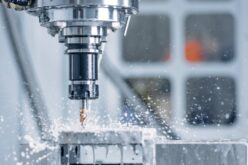

As a manufacturer, you want to reduce expenses to improve margins, but cutting corners almost always results in a subpar product. Customers today demand excellence, and they will quickly turn to a competitor if your goods fail to meet their expectations.
Finding the sweet spot between spending less and maintaining high standards defines the success of modern production. Therefore, understanding how to balance cost and quality in manufacturing is the most critical skill for your operations team.
Invest in Smart Automation
Upfront investment in technology might seem counterintuitive when you are trying to cut costs. However, automation remains the most effective way to reduce long-term expenses while stabilizing quality. Human error accounts for a large percentage of manufacturing defects. Robots and automated software produce the same result every time.
Consistent output reduces scrap material and rework. Additionally, automated systems provide real-time data collection. You can monitor machine performance and predict maintenance needs before a breakdown halts your line. Unplanned downtime kills profitability faster than almost any other factor!
Optimize Your Supply Chain
Raw materials account for a massive portion of your production budget. The temptation to buy the cheapest materials available is strong, yet this strategy rarely works out. Low-quality inputs cause machinery jams, result in higher defect rates, and damage your brand reputation. A better approach is to build strong relationships with a few reliable suppliers.
Consolidating your purchasing gives you leverage to negotiate better rates for higher-quality materials. Moreover, you should look at the total cost of ownership rather than just the sticker price.
A slightly more expensive component that arrives on time and never fails is cheaper than a discount part that stops your assembly line. Just-in-time delivery strategies also reduce warehousing costs, freeing up capital to reinvest elsewhere.
Focus on Traceability and Standards
Maintaining strict process control guarantees that you meet industry standards without wasting time on guesswork, and traceability allows you to track a product through every stage of its lifecycle. If a defect occurs, you need to know exactly where it came from to prevent it from happening again.
This is where specific identification processes become crucial. Choosing the right marking method for industrial parts ensures that every component carries a permanent, readable history. Laser marking, dot peening, or inkjet printing allows you to track batches and quickly isolate issues.
Furthermore, adhering to ISO standards forces you to document your processes. Documented processes are repeatable processes. This reduces the cost of errors and increases the quality of the output.
Achieving Sustainable Production
You cannot treat cost reduction and quality improvement as separate goals. They are two sides of the same coin. A high-quality process is naturally a lower-cost process because it produces less waste and fewer returns.
Therefore, knowing how to balance cost and quality in manufacturing isn’t about compromise; it is about efficiency. Start by auditing your current workflow for waste, invest in the right technology, and listen to the data your factory generates.
Image Credentials:MDBPIXS,312536311
-------------------------------------------------------------------------------------------------------------
-------------------------------------------------------------------------------------------------------------
home remodeling reference (links to internal page)
 |
 |
 |
 |
| directory | photos | forms | guide |
Helpful article? Leave us a quick comment below.
And please share this article within your social networks.