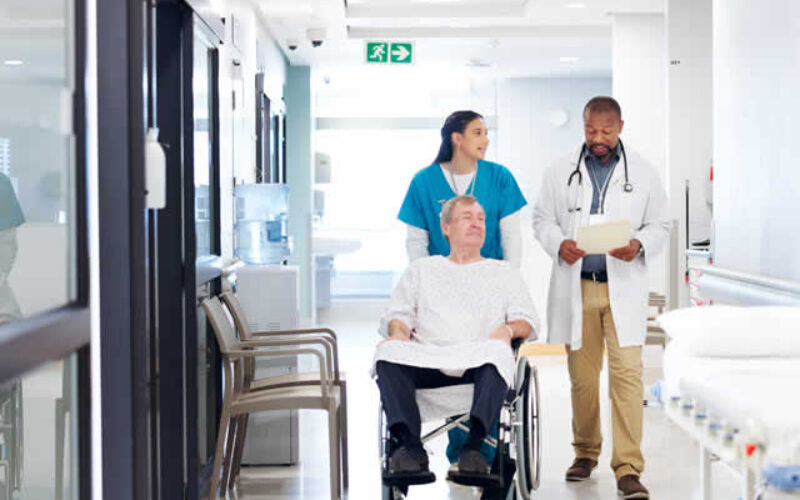
Patient safety goes far beyond clinical care. It encompasses the entire environment where healthcare is delivered. Strong security services form the foundation of safe healthcare settings, creating spaces where medical professionals can focus on what they do best—saving lives and caring for patients.
Without proper security measures, hospitals become vulnerable to a range of threats that directly impact patient outcomes and staff wellbeing.
In this post, we’ll explore how healthcare security services directly improve patient safety across hospitals and medical facilities. You’ll discover the core hospital security requirements, understand the link between security and patient outcomes, and learn what to look for when choosing a security provider.
Whether you’re a healthcare administrator, facility manager, or simply curious about hospital operations, this guide will give you valuable insights into this critical aspect of healthcare delivery.
What Are the Core Security Requirements for Hospitals?
Hospitals must meet specific hospital security requirements to protect patients, staff, and visitors. These requirements include access control systems, surveillance technology, emergency response protocols, and trained security personnel.
Unlike retail or corporate environments, healthcare settings deal with unique challenges—from managing distressed individuals to protecting newborn babies.
Core requirements also encompass physical security measures like secure entry points, visitor management systems, and panic buttons in high-risk areas. Mental health units, emergency departments, and maternity wards each have distinct security needs that demand specialised approaches.
Regulatory Standards and Compliance Obligations
Healthcare facilities must comply with various regulations, including workplace health and safety legislation and state-specific healthcare standards. The Australian (and US) Commission on Safety and Quality in Health Care sets national standards that include security considerations as part of comprehensive patient safety frameworks.
Compliance isn’t just about ticking boxes. It’s about creating genuinely safe environments. Regular audits, incident reporting systems, and continuous improvement processes help facilities meet and exceed these standards.
How Do Hospital Security Requirements Differ from Other Industries?
Healthcare security is fundamentally different from other sectors. Security personnel must balance vigilance with compassion, often dealing with patients experiencing mental health crises, dementia, or severe pain.
They can’t simply remove disruptive individuals—they must work within clinical guidelines and patient rights frameworks.
Plus, hospitals operate 24/7 with constant foot traffic from visitors, contractors, and emergency cases. This complexity requires security approaches that are flexible yet robust, protective yet welcoming.
The Direct Link Between Security Services and Patient Safety
Protecting Vulnerable Patients and Visitors
Hospitals care for some of society’s most vulnerable people—elderly patients, children, those with cognitive impairments, and individuals in acute medical distress. Professional security services provide essential protection for these groups.
Security officers patrol wards, monitor camera feeds, and respond quickly to potential threats. They help prevent unauthorised access to sensitive areas like intensive care units and paediatric wards. This protection extends to visitors too, who may feel anxious or overwhelmed in hospital settings.
Creating a Safe Environment for Healthcare Delivery
When healthcare workers feel safe, they deliver better care. It’s that simple. Research consistently shows that workplace violence and security concerns contribute to burnout, reduced job satisfaction, and increased staff turnover.
Effective security creates an environment where clinical staff can concentrate fully on patient care. Nurses don’t have to worry about aggressive visitors. Doctors can focus on diagnosis and treatment rather than personal safety concerns. This directly translates to improved patient outcomes.
How Does Security Reduce Violence in Healthcare Settings?
Violence in healthcare settings is unfortunately common. Nurses and emergency department staff report alarming rates of verbal abuse, threats, and physical assaults. Professional security services reduce these incidents through visible presence, early intervention, and de-escalation techniques.
Trained security officers can identify warning signs before situations escalate. They step in early, using communication skills to calm distressed individuals. When physical intervention becomes necessary, they’re equipped to handle it safely, minimising harm to everyone involved.
Key Security Measures That Improve Patient Outcomes
Access Control and Visitor Management Systems
Modern access control goes beyond locked doors. Electronic systems track who enters sensitive areas, while visitor management software creates audit trails and screens individuals against watchlists. These systems help prevent unauthorised access while maintaining a welcoming atmosphere.
Effective visitor management also improves infection control—a critical patient safety consideration. During disease outbreaks, security teams can quickly implement screening protocols and manage visitor restrictions.
CCTV Surveillance and Monitoring
Strategic camera placement provides continuous monitoring of high-risk areas. But it’s not just about recording incidents—it’s about prevention. Visible cameras deter potential wrongdoers, while monitoring enables rapid response to developing situations.
Modern systems incorporate analytics that can detect unusual behaviour patterns, alerting security personnel before incidents occur. This proactive approach significantly enhances patient safety.
Emergency Response Protocols
Clear emergency protocols save lives. Security teams coordinate with clinical staff during codes, manage evacuations, and secure areas during critical incidents. Regular drills keep everyone prepared for worst-case scenarios.
What security measures are essential for hospitals? The answer includes all the above, plus duress alarms in high-risk areas, secure medication storage, and robust communication systems that connect security with clinical teams instantly.
Addressing Common Healthcare Security Challenges
Managing Aggressive Behaviour in Emergency Departments
Emergency departments face unique challenges. Patients arrive in pain, distress, and sometimes under the influence of drugs or alcohol. Wait times can frustrate already anxious individuals. Security presence in these areas is absolutely vital.
Effective security teams work alongside triage nurses to identify potential risks early. They maintain calm, professional demeanours that help defuse tension before it escalates.
Preventing Infant Abduction and Patient Elopement
Infant security systems, including electronic tagging and controlled access to maternity units, are non-negotiable in modern hospitals. Similarly, patients with dementia or mental health conditions may attempt to leave without authorisation, putting themselves at serious risk.
Security personnel work with clinical teams to implement appropriate safeguards while respecting patient dignity. It’s a delicate balance that requires specialised training.
Protectng Staff from Workplace Violence
Why is security important in healthcare facilities? Perhaps most critically, it protects the people who care for us when we’re unwell. Healthcare workers deserve safe workplaces, and professional security services play a crucial role in delivering this.
Regular risk assessments, incident reporting systems, and clear escalation procedures all contribute to staff safety. Security teams also provide emotional support to staff affected by violent incidents.
The Role of Professional Security Personnel in Hospitals
Trained Healthcare Security Officers vs General Security
Not all security officers are equipped for healthcare environments. Specialised healthcare security personnel receive training in patient rights, mental health awareness, infection control, and clinical protocols. They understand the unique demands of hospital settings.
How do security guards help in hospitals? They do far more than patrol corridors. They assist with patient transfers, support clinical staff during codes, manage crowds in emergency situations, and provide reassurance to anxious patients and families.
De-escalation Techniques and Patient Interaction
The best outcome is always preventing situations from escalating. Professional healthcare security officers are trained in verbal de-escalation techniques that calm distressed individuals without physical intervention. They approach people with empathy, recognising that aggressive behaviour often stems from fear, pain, or confusion.
This patient-centred approach aligns with broader healthcare values while maintaining safety. It’s about treating everyone with dignity, even in challenging circumstances.
Choosing the Right Healthcare Security Service Provider
What to Look for in a Hospital Security Company
When selecting a security provider, look for demonstrated healthcare experience, appropriate licensing, and comprehensive training programmes. Ask about staff retention rates—high turnover often indicates poor working conditions that affect service quality.
Check references from other healthcare facilities and ask about their approach to continuous improvement. The best providers actively seek feedback and adapt their services accordingly.
Questions to Ask Before Hiring Security Services
Consider asking:
- What healthcare-specific training do your officers receive?
- How do you handle staff shortages?
- What’s your approach to de-escalation? How do you measure performance?
- These questions help identify providers genuinely committed to healthcare security excellence.
Conclusion: Investing in Security Means Investing in Patient Care
Throughout this exploration of healthcare security services, one thing becomes abundantly clear: security and patient safety are inseparable. Meeting hospital security requirements isn’t just about compliance—it’s about creating environments where healing can happen safely and effectively.
From protecting vulnerable patients to supporting stressed clinical staff, professional security services touch every aspect of healthcare delivery. The best healthcare facilities recognise security as an integral part of their care model, not an afterthought.
They invest in trained personnel, modern technology, and comprehensive protocols that work together to keep everyone safe.
If you’re involved in healthcare administration or facility management, I’d encourage you to evaluate your current security arrangements critically.
Are your security personnel properly trained for healthcare environments? Do your systems address the unique challenges your facility faces?
Taking these questions seriously demonstrates genuine commitment to patient safety—and that’s something worth investing in.

Image Credit: healthcare security services by envato.com
end of post … please share it!
-------------------------------------------------------------------------------------------------------------
-------------------------------------------------------------------------------------------------------------
home remodeling reference (links to internal page)
 |
 |
 |
 |
| directory | photos | forms | guide |
Helpful article? Leave us a quick comment below.
And please share this article within your social networks.