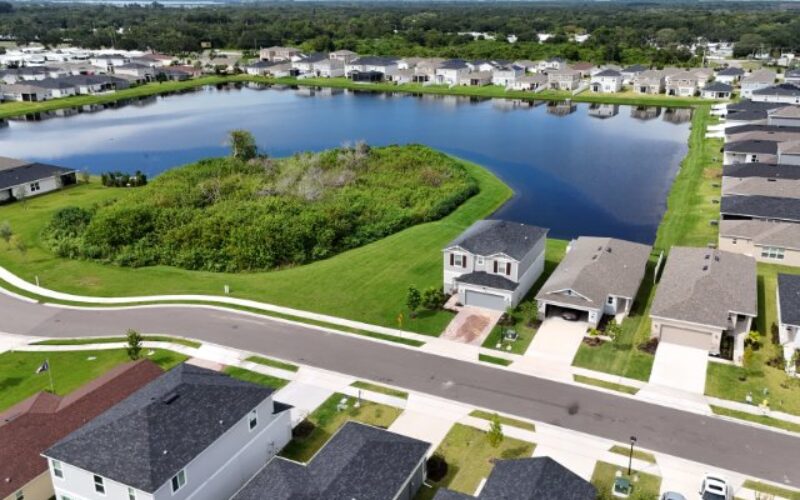
When crews build them well, retention ponds collect runoff, control water levels, and reduce erosion around developed areas. When crews rush the process or miss key details, problems can show up fast.
Poor construction can lead to leaks, unstable slopes, sediment buildup, standing water issues, and costly repairs. Many retention pond construction mistakes start early, during planning, grading, or material selection. A strong project begins with careful site evaluation and continues through every construction phase. Teams that understand the most common mistakes can avoid delays, protect the pond structure, and create a system that performs as intended.
Skipping Site Evaluation
A retention pond needs more than an open piece of land. Soil type, groundwater levels, drainage patterns, slope conditions, and nearby structures all influence pond performance. When teams skip a detailed site evaluation, they increase the risk of poor drainage, weak embankments, and unstable pond edges.
Site evaluation also helps teams spot hidden challenges before equipment reaches the property. Tree roots, utility lines, soft soils, and elevation changes can create problems during excavation. Early planning reduces surprises and keeps construction moving with fewer setbacks.
Poor Grading
Grading mistakes can affect the entire pond. If crews shape the basin unevenly, water may pool in shallow sections or flow toward weak areas. Poor grading can also create steep slopes that erode quickly or make maintenance unsafe.
Crews need to follow the planned elevations closely. They should also create smooth transitions between the pond bottom, side slopes, inlet areas, and outlet structures. Consistent grading helps the pond manage runoff correctly and reduces the chance of erosion after storms.
Weak Soil Compaction
Soil compaction gives the pond structure stability. When crews leave soil loose, the pond can settle unevenly after construction. That movement can damage liners, shift outlet structures, or create cracks in embankments.
Moisture levels also affect compaction. Soil that contains too much water can pump under equipment, while dry soil may not bind well. Crews need to monitor soil conditions throughout construction to build a stable foundation.
Liner Problems
Some retention ponds need liners to control seepage and protect surrounding soil. Choosing the wrong liner or installing it poorly can lead to leaks, wrinkles, punctures, and early failure. Retention pond liner installation requires careful subgrade preparation, proper seam work, and protection from sharp rocks or debris.
Crews should smooth the pond base before they place liner material. They should also remove sticks, roots, stones, and construction scraps that could puncture the liner. After placement, teams need to check seams, anchor trenches, and transitions around pipes or structures.
Poor Erosion Control
Freshly built pond slopes need protection right away. Bare soil can wash into the basin during the first storm, reducing capacity and muddying the water. Erosion can also weaken embankments and damage nearby drainage areas.
Crews can control erosion with vegetation, matting, riprap, and proper slope design. They should stabilize disturbed soil as soon as grading ends. Fast stabilization helps the pond handle early rain events without losing valuable soil.
Build It Right the First Time
Retention pond construction demands precision, and team members can do that by avoiding the above mistakes. A well-built retention pond starts with clear planning and careful execution. When crews respect the site conditions, follow the design, and protect each construction detail, they create a pond that manages stormwater reliably and supports the property for years.
Image Credentials: michael, # 976068078
-------------------------------------------------------------------------------------------------------------
-------------------------------------------------------------------------------------------------------------
home remodeling reference (links to internal page)
 |
 |
 |
 |
| directory | photos | forms | guide |
Helpful article? Leave us a quick comment below.
And please share this article within your social networks.