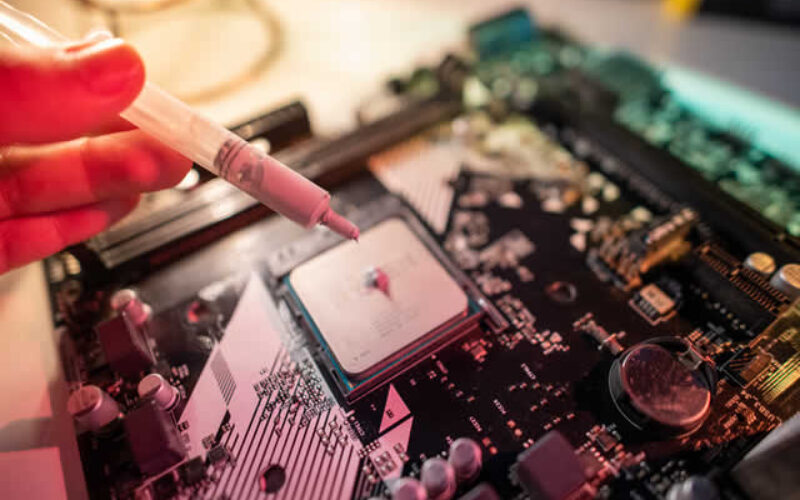
And here’s a thought – could something as simple as an adhesive be the difference between a device that thrives and one that fails prematurely?
Thermally conductive adhesives are quietly revolutionising how we build and maintain electronic devices across Australia.
From the electric vehicles cruising down Sydney’s streets to the solar panels dotting rooftops in Queensland, these specialised bonding materials are working behind the scenes to keep things running smoothly.
They’re not just glue – they’re a critical link between heat management and device longevity.
What Are Thermally Conductive Adhesives?
Thermally conductive adhesives are specialised bonding materials designed to do two jobs at once. They create strong mechanical bonds between components whilst simultaneously transferring heat away from sensitive areas.
Think of them as multitasking marvels – they hold things together and keep them cool.
How Thermally Conductive Adhesives Improve Reliability?
Now we’re getting to the heart of the matter. These adhesives improve reliability through multiple mechanisms working together.
Enhanced Thermal Dissipation
By providing a continuous thermal pathway, these adhesives dramatically improve heat transfer away from critical components. Some formulations achieve thermal conductivity ratings of 3-6 W/mK or higher – far superior to standard adhesives that typically measure below 0.3 W/mK.
This improved heat dissipation keeps components operating within their optimal temperature range. The result? Longer component life, better performance, and fewer unexpected failures.
Vibration and Shock Resistance
Unlike mechanical fasteners, adhesive bonds distribute stress across the entire bonded surface. This makes them incredibly resistant to vibration and mechanical shock. In applications like automotive electronics or mining equipment, this characteristic is absolutely invaluable.
The adhesive acts as a damper, absorbing vibrations rather than transmitting them directly to sensitive components. This protection extends component life significantly in harsh operating environments.
Protection Against Environmental Factors
Many thermally conductive adhesives also provide environmental protection. They seal out moisture, dust, and other contaminants that could damage electronics. Some formulations offer chemical resistance, UV stability, or even flame-retardant properties.
This multi-function protection means fewer points of failure and improved reliability across the entire assembly.
Applications Across Industries
Australian industries are embracing thermally conductive adhesives across a wide range of applications. Let’s look at some key sectors.
Automotive and Electric Vehicle Manufacturing
The EV market is growing rapidly, and thermally conductive adhesives are essential for battery pack assembly. They bond battery cells to cooling plates, ensuring efficient heat management that extends battery life and improves safety.
Renewable Energy and Solar Panel Assembly
With Australia’s abundance of sunshine, solar energy is booming. Thermally conductive adhesives help manage heat in inverters and junction boxes, improving efficiency and extending system lifespan.
Consumer Electronics and LED Lighting
From smartphones to LED downlights, consumer electronics rely on effective thermal management. These adhesives help keep devices running cooler and lasting longer.
Mining and Heavy Machinery
Australia’s mining sector demands equipment that can withstand extreme conditions. Thermally conductive adhesives protect control electronics from both heat and vibration in these demanding environments.
Choosing the Right Thermally Conductive Adhesive for Your Project
Selecting the right adhesive requires careful consideration of your specific requirements.
Key Properties to Consider
Consider thermal conductivity rating, bond strength, cure time, operating temperature range, and flexibility. Don’t forget about application method – some adhesives are easier to dispense than others.
One-Part vs Two-Part Adhesive Systems
One-part systems are simpler to use but may require heat to cure. Two-part systems cure at room temperature but require precise mixing. Your production environment will often determine which type works best.
Are Thermally Conductive Adhesives Permanent?
Most thermally conductive adhesives create permanent bonds that are difficult to remove without damaging components. However, some formulations are designed for reworkability, allowing components to be separated with controlled heating.
Always consider end-of-life requirements when selecting an adhesive. If you’ll need to replace components, choose a reworkable formulation.
Best Practices for Application and Curing
Surface preparation is critical – clean, dry surfaces free from oil and contamination ensure optimal bonding. Apply the adhesive in the correct thickness; too thin limits thermal transfer whilst too thick reduces bond strength.
Follow manufacturer curing recommendations precisely. Incomplete curing compromises both thermal and mechanical performance.
Common Mistakes to Avoid When Using Thermal Adhesives
Avoid these pitfalls: skipping surface preparation, applying incorrect bond line thickness, rushing the curing process, and using expired materials. Each of these mistakes can significantly reduce adhesive performance.
The Future of Thermally Conductive Bonding Technology
Innovations continue to push thermal conductivity ratings higher whilst improving other properties. Nano-particle fillers, new polymer chemistries, and hybrid formulations are all driving the technology forward.
Investing in Long-Term Performance
Throughout this article, we’ve seen how thermally conductive adhesives tackle multiple challenges simultaneously. They manage heat, resist vibration, protect against environmental factors, and simplify assembly processes. That’s an impressive combination of benefits from a single material.
For Australian industries facing demanding conditions – whether it’s the extreme heat of outback mining operations or the constant vibration of automotive applications – these adhesives offer a path to improved reliability and extended product life.
The initial investment in quality thermally conductive adhesives pays dividends through reduced warranty claims, longer service intervals, and happier customers.
Image Credit: by envato.com
end of post … please share it!
-------------------------------------------------------------------------------------------------------------
-------------------------------------------------------------------------------------------------------------
home remodeling reference (links to internal page)
 |
 |
 |
 |
| directory | photos | forms | guide |
Helpful article? Leave us a quick comment below.
And please share this article within your social networks.