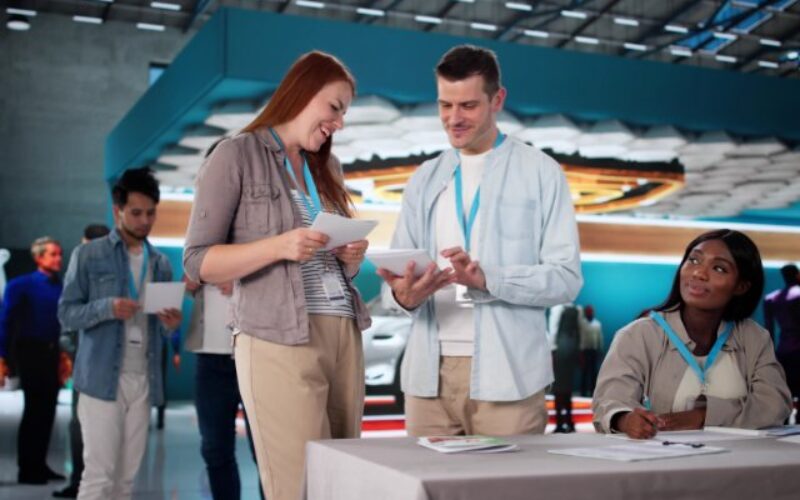

Industry events provide valuable opportunities for businesses to increase brand awareness, establish professional relationships, and connect with potential customers. However, standing out among numerous exhibitors requires more than simply attending and distributing promotional materials.
Creating a lasting impression involves strategic planning, effective branding, meaningful interactions, and consistent follow-up. Understanding the best ways to make a business more memorable at industry events can help business owners maximize their investments and build relationships that continue beyond the event.
Establish a Clear and Consistent Brand Identity
A recognizable brand identity allows attendees to distinguish one business from another, especially at crowded conferences and trade shows. Consistency across signage, promotional materials, employee attire, and digital presentations reinforces recognition and communicates professionalism.
Businesses should use consistent colors, logos, typography, and messaging throughout their event materials. This coordinated approach creates a unified appearance that makes the company easier to identify and remember.
Equally important is communicating a clear value proposition. Instead of relying on generic claims about quality or service, businesses should explain how their products or services solve specific customer problems. A concise, relevant message is more likely to resonate with attendees than a lengthy sales pitch.
Design an Attractive and Functional Event Booth
An effective exhibition booth should capture attention while encouraging visitors to stop, explore, and engage with representatives. Booth design should balance visual appeal with functionality, ensuring attendees can navigate the space comfortably.
Use Lighting and Displays Effectively
Strategic lighting, illuminated signage, and professionally designed graphics improve booth visibility in busy exhibition halls. These elements help emphasize important messages and create a distinctive visual presence.
For smaller businesses with limited event staff, portable equipment can simplify transportation and installation. For example, packable lightbox kits for small event teams demonstrate how illuminated displays can be incorporated into exhibition setups without requiring complicated assembly or extensive staffing. Regardless of booth size, businesses should prioritize readable signage, uncluttered layouts, and clear messaging.
Create a Welcoming Environment
Visitors are more likely to approach booths that appear accessible and organized. Open entrances, thoughtfully arranged displays, and comfortable conversation areas encourage longer interactions.
Businesses should also leave sufficient room for demonstrations and discussions without restricting foot traffic. A welcoming environment allows representatives to focus on building connections rather than managing congestion.
Encourage Interactive Attendee Experiences
Interactive experiences make a business more memorable by allowing attendees to participate rather than simply observe. Meaningful engagement also helps visitors understand products and services more clearly.
Provide Live Demonstrations
Product demonstrations give attendees firsthand insight into how an offering works. Businesses can showcase practical applications, explain key features, and answer questions during the demonstration.
For example, technology companies might demonstrate software capabilities, while manufacturers could show how equipment improves operational efficiency. Demonstrations should remain concise and emphasize benefits relevant to the audience.
Offer Meaningful Participation
Interactive activities such as product trials, short educational sessions, and problem-solving exercises encourage visitors to spend additional time at a booth. These activities should connect directly to the company’s expertise. Providing useful information or helping attendees solve a common challenge creates a stronger impression than entertainment unrelated to the business.
Prepare Employees for Meaningful Conversations
Employees significantly influence how attendees perceive a business. Even an impressive booth may produce disappointing results if representatives appear disengaged or cannot communicate effectively.
Before the event, employees should understand the company’s objectives, target audience, and essential talking points. Training should include answering common questions, explaining products clearly, and identifying potential customer needs.
Representatives should prioritize conversations over aggressive sales pitches. Asking thoughtful questions and listening to attendees allows employees to provide relevant information and establish genuine professional connections. A knowledgeable, approachable team can leave a positive impression that attendees associate with the business long after the event concludes.
Provide Useful Promotional Materials
Promotional materials reinforce brand recognition, but their value depends on relevance and usefulness. Generic giveaways may attract attention temporarily without encouraging meaningful engagement.
Businesses should select items that reflect their industry and appeal to their intended audience. Practical office supplies, specialized reference materials, or other useful products may remain in circulation longer than novelty items.
Educational materials can also provide lasting value. Checklists, instructional content, and concise industry insights allow attendees to revisit information after the event. Rather than prioritizing giveaway quantities, businesses should focus on materials that support their message and offer practical benefits.
Use Digital Tools To Strengthen Engagement
Digital tools can help businesses share information efficiently and maintain connections with event attendees. QR codes on displays and promotional materials can direct visitors to product details, demonstration videos, or relevant online content. This approach reduces dependence on printed materials while making information accessible after the event.
Businesses should ensure that digital content is mobile-friendly, clearly organized, and relevant to attendees’ interests. Contact management systems can also help representatives organize conversations and record follow-up requests. With appropriate consent, collecting contact information and noting specific interests allows businesses to provide more personalized communication afterward.
Develop an Effective Post-Event Follow-Up Strategy
A memorable event experience should lead to continued communication. Without a structured follow-up process, businesses risk losing valuable connections established during conferences and exhibitions.
Personalize Communication
Follow-up messages should reference specific discussions, questions, or interests expressed during the event. Providing requested information or addressing an attendee’s concerns demonstrates attentiveness and professionalism. Timely communication can reinforce brand recognition while the interaction remains fresh in the recipient’s mind.
Evaluate Event Performance
Businesses should assess results against clearly defined objectives. Relevant measurements may include qualified leads, scheduled meetings, product demonstrations, and subsequent customer conversations. Evaluating these outcomes helps managers identify successful activities and improve future event strategies.
Make Every Industry Event Count
The most effective ways to make a business more memorable at industry events combine thoughtful preparation, recognizable branding, interactive experiences, and professional communication. Businesses do not necessarily need elaborate displays or expensive promotional campaigns to stand out. A clear message, welcoming booth, knowledgeable employees, and useful attendee experiences can create meaningful impressions. By focusing on genuine engagement and maintaining relationships after the event, businesses can strengthen brand recognition, improve networking outcomes, and generate lasting value from their participation.
Image Credentials: By Andrey Popov, 1703198792
-------------------------------------------------------------------------------------------------------------
-------------------------------------------------------------------------------------------------------------
home remodeling reference (links to internal page)
 |
 |
 |
 |
| directory | photos | forms | guide |
Helpful article? Leave us a quick comment below.
And please share this article within your social networks.