

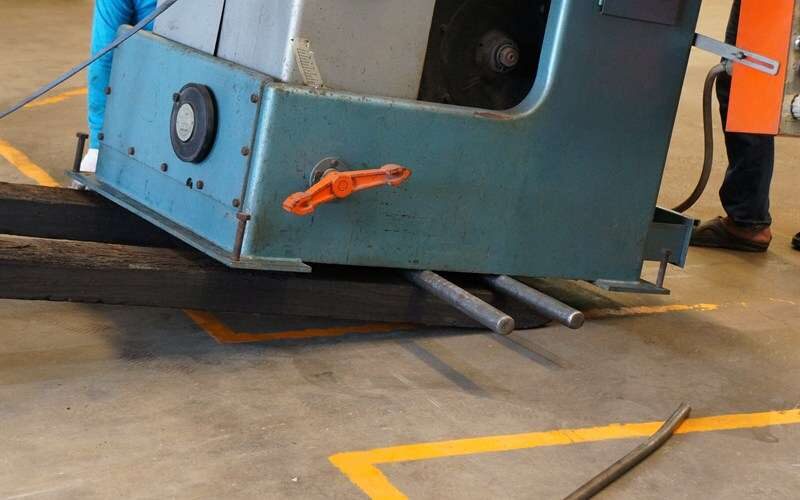

Relocating industrial machinery can disrupt your business in ways you might not anticipate. What initially seems like a straightforward project can quickly become expensive when unexpected complications delay production or threaten valuable equipment. Many common mistakes businesses make when moving machinery result from overlooked details during the planning process. Recognizing these risks early can help you make informed decisions and keep your relocation on track.
Underestimating the Project's Complexity
It's easy to assume that moving a machine simply involves getting it from one location to another. However, equipment that operates reliably in its current position may present unexpected challenges when you need to relocate it. You must consider whether the machine can travel safely through the facility and whether the destination can accommodate it.
A machine's size alone doesn't tell you everything about the move. You also need to understand its physical configuration and any components that could interfere with handling. If you overlook these details, you might commit to an approach that won't work under actual site conditions.
Consider the Entire Relocation
Think beyond the distance between the machine's current position and its destination. The move may require temporary changes to the work area or additional preparation to make the equipment accessible. Identifying those requirements early gives you a more realistic understanding of the project's scope.
Relying on Inaccurate Equipment Information
You can't make reliable moving decisions without knowing the equipment you're handling. One common mistake involves relying on outdated specifications that no longer reflect the machine's current condition. Previous modifications may have changed its weight or dimensions, making older records unreliable.
Check the manufacturer's documentation and compare it with the actual machine. If you find discrepancies, have qualified personnel verify the information before the crew develops its handling plan. Don't assume that a machine's original specifications still apply after years of use.
You should also identify components that require special attention during relocation. Some attachments may need additional support, while certain parts might not tolerate the forces involved in lifting. Understanding these limitations helps prevent avoidable equipment damage.
Overlooking Rigging Requirements
Businesses sometimes assume that equipment weight determines the difficulty of a lift. In practice, two machines with similar weights can require very different handling methods. Their shapes and internal weight distribution can affect stability once a crew lifts them.
You need to account for these differences when evaluating the relocation. For example, a machine with an uneven center of gravity may tilt unexpectedly if the crew uses an unsuitable lifting arrangement. Understanding the variables that make some loads harder to rig can help you recognize why certain equipment requires more specialized planning.
Don't select lifting equipment based solely on its rated capacity. Qualified rigging personnel must also evaluate the load's characteristics and determine suitable attachment points. A properly developed lifting plan accounts for the machine's actual behavior during handling rather than relying on assumptions.
Failing To Inspect Access Routes
A machine might fit comfortably in its current location but encounter serious obstacles during removal. Businesses often overlook the limitations of the route between the equipment and the loading area. A passage that accommodates everyday traffic may not provide enough clearance for industrial machinery.
Walk the intended route and evaluate whether the equipment can pass through without interference. Pay particular attention to turns because long machines may need additional clearance when changing direction. You should also consider the dimensions of any handling equipment that will accompany the load.
Scheduling Without Accounting for Downtime
You may want to complete a machinery relocation as quickly as possible, especially when the equipment supports daily production. However, an overly aggressive schedule can create problems when you don't allow enough time for essential work. A delay becomes particularly disruptive when employees expect production to resume immediately after the machine arrives.
Develop your schedule around the actual activities required to return the equipment to service. Physical relocation represents only part of that timeline. Depending on the machine, you may need additional time for reconnection or testing before operators can use it again.
You should also consider whether other business activities depend on the same workspace. Coordinating access with the people responsible for daily operations helps prevent conflicts that could interrupt the move. A realistic schedule gives everyone a clearer understanding of when the equipment will become available.
Neglecting Proper Equipment Preparation
Moving machinery without adequate preparation can expose vulnerable components to unnecessary damage. Some machines contain parts that could shift during transportation or suffer damage from uncontrolled movement. You shouldn't assume that securing the machine's main structure automatically protects everything attached to it.
Review the equipment's preparation requirements with qualified personnel who understand its construction. Depending on the manufacturer's instructions, the process may involve securing movable components or disconnecting certain connections.
A practical preparation review should address several questions:
- Have you identified components that require additional support?
- Does the manufacturer specify any transport precautions?
- Have qualified personnel confirmed the required disconnections?
- Can the crew access the intended lifting points?
- Have you documented the equipment's condition?
Assuming the Destination Is Ready
Businesses often concentrate on removing equipment from its original location without giving the receiving area equal attention. You might successfully transport a machine only to find that its new position doesn't accommodate the intended installation. Resolving that problem after delivery can extend downtime.
Confirm that the destination matches the machine's installation requirements. Check whether the available space allows workers to position the equipment correctly. You should also verify that the receiving surface can support the machine in its intended operating position.
Leaving Responsibilities Unclear
A machinery relocation involves decisions that extend beyond the physical move. When several departments participate, unclear responsibilities can leave important tasks unfinished. Someone may assume another person has arranged access or confirmed that the machine is ready for removal.
Assign responsibility for each major preparation activity and establish a clear point of contact for the project. You should also determine who can approve changes if unexpected conditions arise during the move.
Keep communication focused on decisions that affect the work. When everyone understands their responsibilities, you can address concerns without unnecessary confusion.
Avoiding common mistakes when moving machinery begins with treating the relocation as an important business decision rather than a routine transportation task. The next time you plan a move, bring the people responsible for your equipment into the conversation early. Their practical knowledge can reveal requirements that aren't obvious from a project schedule, helping you make decisions with greater confidence.
Image Credentials: Shinpanu, 343728057
-------------------------------------------------------------------------------------------------------------
-------------------------------------------------------------------------------------------------------------
home remodeling reference (links to internal page)
 |
 |
 |
 |
| directory | photos | forms | guide |
Helpful article? Leave us a quick comment below.
And please share this article within your social networks.


