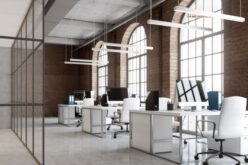
Strategic upgrades can unlock returns that extend far beyond initial costs. Companies that invest thoughtfully in their spaces often see stronger long-term business outcomes. Let’s explore the hidden ROI of smarter office environments and why upgrading yours is a good business investment.
How Workspace Design Impacts Productivity
Office design directly shapes how employees work throughout the day. Poor layouts create distractions and slow down collaboration. Smart layouts support individual concentration and team interaction without friction. Clear zoning for different tasks helps employees transition smoothly between responsibilities.
Lighting, noise control, and ergonomics also play a considerable role in performance. Employees who feel physically comfortable maintain higher energy and consistency. Businesses that address these factors reduce downtime caused by fatigue or discomfort. These improvements translate into measurable productivity gains over time.
The Financial Value of Employee Well-Being
Employee well-being connects closely to retention and overall performance. Workspaces that prioritize comfort and mental clarity can reduce burnout and turnover. Replacing employees costs significantly more than maintaining a supportive environment. Businesses that invest in well-being protect their workforce and their bottom line.
Health-focused design also reduces absenteeism. Improved air quality, natural light, and ergonomic furniture contribute to better daily performance. These changes support consistent output across teams. Over time, this stability strengthens operational efficiency.
Technology Integration Drives Efficiency
Modern office environments rely on seamless technology integration. Outdated systems slow communication and create unnecessary delays. Businesses benefit from tools that support collaboration and real-time updates. Efficient technology reduces wasted time and improves decision-making.
Smart offices also adapt to changing work models. Hybrid and flexible schedules require reliable infrastructure. Companies that upgrade their systems maintain productivity regardless of location. This adaptability creates a competitive advantage in evolving markets.
Upgrades That Deliver ROI
Certain improvements consistently deliver measurable returns for businesses. These upgrades enhance employee experience and operational performance. Leaders should prioritize changes that support long-term efficiency and growth. The following upgrades often provide strong value:
- Ergonomic workstations that reduce physical strain
- Flexible layouts that support collaboration and focus
- Energy-efficient lighting and climate systems
- Integrated communication and scheduling tools
- Dedicated quiet zones for deep work
Each of these improvements contributes to a more effective workplace. Businesses that implement them often see gains in productivity and employee satisfaction. Consistent evaluation ensures these upgrades continue to meet organizational needs.
Long-Term Thinking Creates Stronger Returns
Short-term cost concerns often prevent businesses from making meaningful improvements. However, office improvements with long-term value deliver returns that compound over time. Strategic investments reduce ongoing operational costs and improve employee performance. Leaders who take a long-term view position their organizations for sustained success.
Planning should focus on adaptability and scalability. Workspaces must evolve alongside business growth and workforce changes. Companies that design with flexibility avoid costly redesigns later. This approach protects resources while supporting future expansion.
Smarter office environments deliver measurable returns that extend beyond surface-level improvements. Strategic design, technology integration, and employee-focused upgrades create lasting value for businesses. Companies that prioritize these elements improve productivity and operational efficiency. These benefits contribute directly to long-term financial performance.
Image Credentials: FILE: 742969334 by InfiniteFlow
end of post … please share it!
-------------------------------------------------------------------------------------------------------------
-------------------------------------------------------------------------------------------------------------
home remodeling reference (links to internal page)
 |
 |
 |
 |
| directory | photos | forms | guide |
Helpful article? Leave us a quick comment below.
And please share this article within your social networks.