From safeguarding your physical premises to protecting sensitive digital assets and financial information, proper security measures are crucial to the stability and growth of any small business.
This guide explores the key components of a robust business security strategy, addressing both the tangible and intangible aspects that every small business owner should consider.
Whether you’re just starting out or looking to enhance your current security framework, you’ll find actionable insights here to help protect your business against potential threats.
Physical Security
Physical security forms the foundation of any comprehensive business security plan. Keeping your premises secure ensures the safety of your employees, customers, and valuable assets.
This involves three critical components that every business owner should prioritize.
-
Access Control
Access control is essential to regulate who can enter and exit your business premises. This might involve using locks, keycards, or advanced biometric systems to restrict unauthorized entry.
For a more sophisticated approach, many small businesses are adopting electronic access systems that provide detailed logs of entry and exit activity. Implementing access control not only prevents theft and vandalism but also provides invaluable accountability in case of any issues.
-
Surveillance Systems
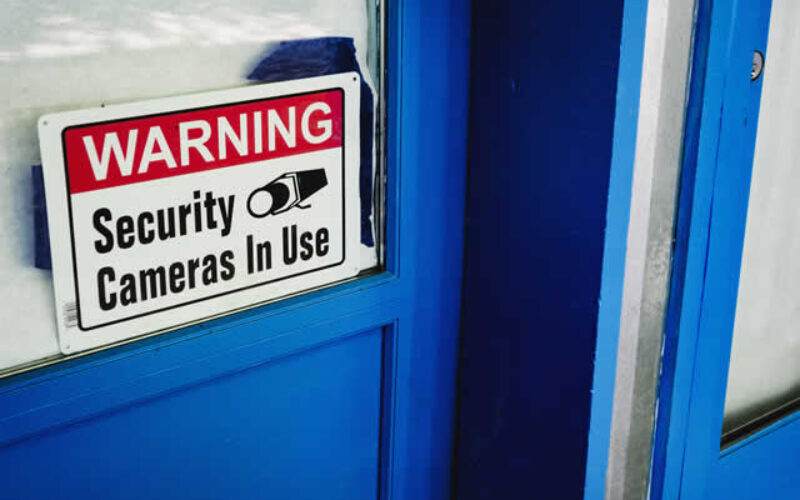
Modern surveillance systems serve as both a deterrent to criminals and a means to gather evidence in the event of security breaches. Installing cameras in strategic locations such as entrances, storage areas, and cash registers offers real-time monitoring and recording capabilities.
High-definition CCTV systems equipped with features like night vision and remote access allow you to oversee your premises even when you’re offsite. To comply with applicable privacy regulations, always inform employees and customers of the presence of surveillance systems.
-
Alarm Systems
Alarm systems act as the first line of defense against unauthorized entry or emergencies such as fires. Burglar alarms, in particular, are designed to alert business owners and local authorities to break-ins. Integrating alarm systems with remote monitoring services can enhance their effectiveness, ensuring immediate action in case of an incident.
Additionally, consider fire and environmental alarms to detect smoke, gas leaks, or flooding that could disrupt business operations.
-
Premises Lighting
Whilst not strictly a security inclusion, it’s important to have good quality commercial lighting supplied by a reputable company like Bay Lighting throughout the business premises.
This obviously helps enhance safety and regular business operations but can also help to deter thieves or criminals who would be easily spotted under proper lighting. This also goes hand in hand with any surveillance systems to allow them to pick up the clearest footage possible.

Digital Security
While physical security safeguards your premises, digital security protects your business’s sensitive data and online presence.
As small businesses increasingly rely on technology, cybersecurity must take center stage to counter growing cyber threats. This section outlines the key elements of a strong digital security strategy.
-
Cybersecurity Policies
Establishing robust cybersecurity policies is the first step in protecting your business from cyberattacks. Clear guidelines on password management, web usage, and data sharing help ensure all employees follow best practices.
Regular policy updates and educating employees on the latest cyber threats, such as phishing and ransomware, go a long way in minimizing vulnerabilities. Documenting these policies also demonstrates your commitment to digital security, which can bolster customer trust in your brand.
-
Data Encryption
Sensitive business information such as financial records, customer details, and intellectual property must be safeguarded through encryption. Encryption converts data into unreadable formats, accessible only to authorized parties with a decryption key.
Whether storing data on cloud services or local servers, encryption adds a critical layer of protection against unwarranted access. Ensure that all communications, including emails and online transactions, are encrypted to maintain data integrity and privacy.
-
Employee Training
Employees can either be the strongest link or the weakest point in your cybersecurity chain. Comprehensive training programs equip your team with the knowledge to identify and respond to cyber threats effectively.
Conduct workshops and simulations on recognizing phishing attempts, avoiding suspicious downloads, and using secure networks. With employees being more digitally aware, your business will be far better equipped to handle potential cyber incidents.
Financial Security
Small businesses are often targeted for fraud and financial mishaps, making financial security just as important as physical and digital protection.
A proactive approach to safeguarding your finances can save your business from significant losses while fostering stability and growth. This section explores three crucial financial security measures.
-
Fraud Prevention
Fraudulent activities, such as invoice scams and credit card fraud, are common threats to small businesses. Implementing systems for monitoring financial transactions can help detect and prevent fraud early.
Solutions like automated fraud detection tools analyze transactions in real-time, flagging unusual or suspicious activities. Additionally, working with trusted payment processors and setting spending limits for employees helps reduce financial risks.
-
Insurance Coverage
Proper insurance coverage acts as a safety net against unforeseen events, from theft and property damage to cyberattacks. Business insurance policies tailored to your industry and operating needs can help you recover quickly and minimize disruptions.
Consider policies that cover liability, property damage, and employee-related risks. Cyber insurance is particularly essential in today’s digital landscape, offering coverage for data breaches, ransomware, and other cyber incidents.
-
Regular Audits
Regular financial audits are invaluable for ensuring compliance with regulations and uncovering discrepancies in your accounts.
Whether conducted internally or by third-party professionals, audits provide an in-depth review of your financial records, highlighting areas of improvement and potential risks. Scheduling quarterly or annual audits can help maintain transparency and keep your business finances in order.
Securing the Future of Your Small Business
Building a comprehensive security strategy for your small business requires careful consideration of physical, digital, and financial safeguards. From installing surveillance systems to adopting advanced cybersecurity measures, each step enhances your ability to protect your assets and operations.
While implementing these strategies may require an initial investment, the long-term benefits far outweigh the costs, ensuring your business remains safe and resilient.
To ensure you’re covering all aspects of security, consider creating a personalized business security checklist that incorporates the measures discussed in this guide.
And if you’re looking for expert guidance on implementing these strategies, don’t hesitate to consult with professionals who specialize in small business security. Ultimately, a secure business is not only a successful one but also one that earns the trust and loyalty of its customers.

Image Credit: business security checklist by envato.com
end of post … please share it!
-------------------------------------------------------------------------------------------------------------
-------------------------------------------------------------------------------------------------------------
home remodeling reference (links to internal page)
 |
 |
 |
 |
| directory | photos | forms | guide |
Helpful article? Leave us a quick comment below.
And please share this article within your social networks.