This flexibility brings wonderful freedom, allowing us to blend our professional tasks with our personal lives more smoothly than ever before.
However, stepping away from the traditional office environment brings up new and important questions about our well-being. When the boundary between home and work dissolves, how do we ensure we stay safe, healthy, and supported?
Employers are now looking far beyond the four walls of a corporate building to protect their team members wherever they choose to log in.
This guide explores the growing theme of safety beyond the workplace. We will look closely at how organizations are nurturing their employees during remote work, business travel, and off-site duties.
You will discover practical ways employers maintain communication, create secure spaces, and ensure everyone feels looked after, no matter where their workday takes them.
The Evolution Of Safety In Remote And Hybrid Environments
Managing the transition from centralized offices to distributed networks requires a new approach to employee well-being and security. Moving away from a central office means we can no longer rely on a single set of physical safety measures.
In the past, facility managers handled everything from fire alarms to ergonomic desk chairs. Now, with networks distributed across countless homes and co-working spaces, protecting well-being requires a much more thoughtful and individualized approach.
Organizations are learning to extend their caring reach, ensuring that the same level of security and health standards applies to someone working at their kitchen table as it does to someone in a corporate suite. This shift is about building a culture of trust and empathy.
Managers are learning to check in not just on project deadlines, but on the physical and emotional health of their teams. By fostering open conversations about work environments, companies can identify potential hazards early and provide the necessary resources to keep everyone safe and comfortable.

Establishing Protocols For Remote Work Safety
Creating a secure environment at home is a shared responsibility that requires clear guidance and compassionate support. Organizations must help their team members design workspaces that promote both productivity and physical health over the long term.
This means looking closely at how our daily environments impact our bodies and minds.
-
Home Office Safety Assessments
Providing resources for ergonomic setups and fire safety helps ensure employees remain protected while working from residential spaces. A comfortable chair and the correct monitor height can prevent chronic pain, allowing people to focus on their tasks without physical strain.
Employers are increasingly offering virtual ergonomic consultations, guiding staff on how to arrange their desks to support proper posture.
Furthermore, educating team members about basic home safety, such as testing smoke detectors, ensuring proper ventilation, and organizing messy cables, prevents everyday accidents.
Encouraging employees to set up near natural light or incorporate a few indoor plants can also profoundly improve mental well-being and air quality. By offering stipends or supplying the right equipment, companies show a deep, nurturing commitment to the daily comfort and health of their remote family.
Proactive Communication During Business Travel
Traveling for work brings exciting opportunities to connect with clients and explore new places, but it also introduces unfamiliar environments.
Keeping traveling employees safe means maintaining a constant, reassuring line of communication so they never feel stranded or alone. A journey should feel like a supported adventure rather than a solitary risk.
-
Real Time Emergency Support
Utilizing integrated communication platforms provides instant assistance and location-based alerts for employees on the move. When an unexpected event occurs, such as a severe weather warning or a sudden travel disruption, having immediate access to help is a tremendous comfort.
Companies are equipping their traveling staff with mobile applications that offer simple check-in features and direct links to emergency medical or security services.
This proactive network of support ensures that if a problem arises, a caring team is just a tap away, ready to guide the employee to safety.
Providing detailed itineraries, pre-travel safety briefings, and reliable communication tools gives immense peace of mind to both the traveler and their loved ones waiting at home. It transforms corporate travel from a potential vulnerability into a secure, well-managed experience.
Protecting Employees During Off-Site Duties
Some roles naturally take people out into the field, whether for client visits, community outreach, or specialized site inspections.
These environments lack the controlled variables of a standard office, making it vital to equip these workers with the knowledge and tools they need to navigate unexpected situations securely.
-
Risk Mitigation For Field Work
Implementing comprehensive safety training and emergency response strategies is essential for staff operating outside of standard corporate facilities.
Before a team member heads out, they should feel completely prepared for the specific environment they are entering. This involves teaching situational awareness, de-escalation techniques, and clear reporting procedures if they ever feel unsafe in a new location.
Employers also provide personal safety devices and establish buddy systems to ensure nobody is left vulnerable in an isolated area. Regular check-ins and debriefings after field visits help managers understand the unique challenges their teams face on the ground.
Through careful planning and a culture of open communication, organizations can foster a deeply supportive atmosphere where field workers feel valued and fiercely protected.
Fostering A Culture Of Care Everywhere
Protecting employees outside the traditional office is ultimately about empathy. When organizations invest in the safety of their remote, hybrid, and traveling workforce, they send a powerful message of care and respect.
People naturally do their best work when they feel secure, supported, and understood by their employers. By implementing thoughtful safety protocols, providing real-time travel support, and mitigating risks for field workers, companies can create a harmonious environment where both the business and its people thrive together.
other related articles of interest:

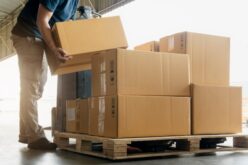
Image Credit: workplace safety by envato.com
end of post … please share it!
-------------------------------------------------------------------------------------------------------------
-------------------------------------------------------------------------------------------------------------
home remodeling reference (links to internal page)
 |
 |
 |
 |
| directory | photos | forms | guide |
Helpful article? Leave us a quick comment below.
And please share this article within your social networks.