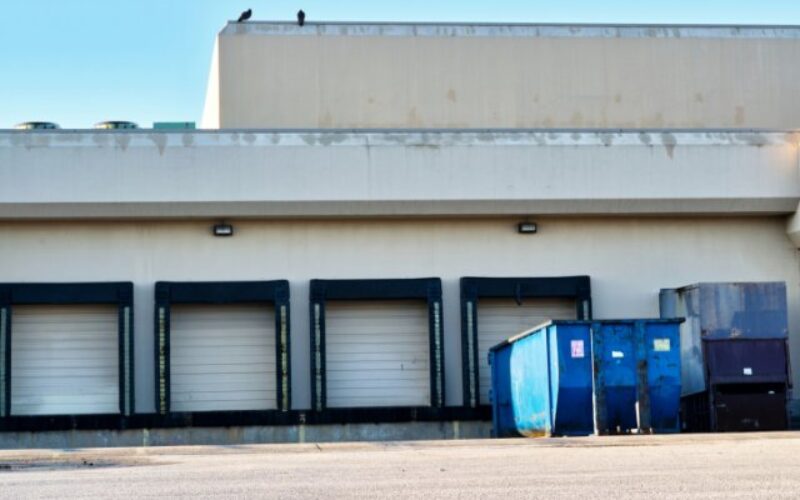

Renting a dumpster can appear simple when a business first plans a cleanup or commercial project. The process becomes more complex once waste volume, site conditions, rental terms, and project demands enter the picture. Small errors made before delivery can lead to higher costs or unexpected delays later.
Businesses also face different waste demands from one project to another. A routine office cleanup does not create the same disposal needs as a major renovation or warehouse project. Understanding the common mistakes businesses make when renting dumpsters will make the entire rental process easier to control.
Good preparation starts before the container arrives. Managers need a realistic sense of how the project will progress and how much waste the work may create. This preparation keeps waste removal from becoming another problem that demands attention during an already busy project.
Choosing a Dumpster That Is Too Small
A dumpster can look surprisingly large when it first arrives empty. Once a commercial project starts, available space can disappear much faster than expected. Bulky debris often consumes substantial room even when the actual amount of waste seems moderate.
A container that reaches capacity too early can interrupt normal project progress. Crews may have to wait for removal before they have enough space to continue their work. A more accurate estimate before the rental starts helps keep the dumpster useful throughout the project.
Renting More Dumpster Space Than Necessary
Businesses sometimes select an oversized dumpster because they want to avoid running out of room. That decision can create unnecessary expense when most of the container remains empty at pickup. Larger containers may also occupy more property space than the project can comfortably spare.
The better choice reflects the actual scope of the work. Managers should consider how quickly debris will accumulate and how much space the waste will occupy inside the container. A suitable dumpster supports the project without forcing the company to pay for excessive unused capacity.
Underestimating the Weight of Debris
A dumpster does not need to look full to exceed its permitted weight. Dense materials can add substantial weight without consuming much visible space inside the container. This difference often surprises businesses that focus mainly on container dimensions.
Discussing expected debris with the rental provider can make weight limits much easier to understand. To avoid added fees, learning how much an overweight dumpster costs will help managers make more informed decisions before disposal begins. Better weight awareness also reduces the chance of an unexpected charge appearing on the final invoice.
Choosing an Inconvenient Dumpster Location
The easiest open space on a commercial property is not always the best place for a dumpster. Poor placement can interfere with normal movement around the property and make waste disposal less convenient for crews. These problems can continue every day until the container leaves.
A useful location should support the work without disrupting normal business operations. It should also provide enough room for the rental company to complete delivery and pickup without unnecessary difficulty. Thinking beyond the initial delivery helps businesses choose a location that works throughout the rental period.
Assuming All Waste Can Enter the Dumpster
Businesses can create several forms of waste during a single commercial project. That does not mean every discarded material can enter the same dumpster. Rental companies often have specific disposal restrictions based on local requirements and facility policies.
One of the common mistakes businesses make when renting dumpsters is not understanding the restrictions before employees begin to use the container. Clear communication with the rental provider can prevent unsuitable materials from entering the dumpster during a busy project. It also reduces confusion when several employees or contractors share responsibility for waste disposal.
Misjudging the Rental Period
Commercial projects do not always follow the original schedule. A delay can leave the dumpster on-site longer than expected and potentially increase rental costs. Businesses can encounter this problem when they choose a rental period based on an overly optimistic project timeline.
An unnecessarily long rental can create waste as well. The dumpster may remain unused after the project ends even though the business still pays for additional rental time. A realistic schedule gives managers greater control without placing unnecessary pressure on the project team.
Forgetting About Delivery Access
A location may have enough physical space for a dumpster but still present problems for the delivery truck. Limited access can prevent the provider from placing the container where the business originally intended. This issue often becomes apparent only when the truck arrives.
Businesses should consider how the provider will approach the selected location before delivery day. Access must also remain available when the company returns to retrieve the dumpster. Keeping the route open prevents an avoidable obstacle from interfering with scheduled service.
Allowing the Dumpster to Become Too Full
A nearly full dumpster can tempt workers to add more waste than the container can safely hold. The problem becomes more serious when debris extends beyond the permitted fill level. The provider may require excess waste removal before transportation can occur.
Managers can avoid that situation through regular attention to the container throughout the project. An early response gives the business time to make another arrangement before available capacity disappears completely. This approach keeps waste from accumulating elsewhere across the property near the end of the project.
Ignoring Rules Before Dumpster Delivery
Businesses can overlook placement requirements when they focus entirely on the project itself. A dumpster placed outside private property may require approval before delivery can occur. Discovering that requirement too late can interfere with the planned project schedule.
Commercial tenants may face additional property requirements even when the dumpster remains on private land. Permission from the property owner may affect where the container can sit and how long it can remain there. Confirming these expectations early prevents disagreements once the dumpster arrives.
Focusing Only on the Lowest Price
A low advertised rental price can attract attention when businesses compare dumpster providers. However, the initial figure does not always represent the final amount the company will pay. Rental terms can have a significant effect on the total project expense.
Businesses should understand exactly what the quoted price covers before they reserve a container. A provider with clear terms can make project costs easier to anticipate from the beginning. Reliable communication also becomes valuable when a schedule changes or the business needs help during the rental period.
Dumpster rentals should simplify commercial waste removal rather than create another source of project stress. Problems usually appear when businesses make assumptions before they understand how the rental will fit their specific project. A little preparation can prevent those assumptions from becoming expensive problems later.
The strongest approach starts with a realistic assessment of the project and an open conversation with the rental provider. Businesses that understand their rental terms can respond more confidently as waste accumulates and project conditions change. With the right preparation, the dumpster becomes a practical part of the work rather than an obstacle that demands constant attention.
Image credentials: Brett, 318801466
-------------------------------------------------------------------------------------------------------------
-------------------------------------------------------------------------------------------------------------
home remodeling reference (links to internal page)
 |
 |
 |
 |
| directory | photos | forms | guide |
Helpful article? Leave us a quick comment below.
And please share this article within your social networks.