Protecting your return on investment requires shifting from a reactive mindset to a proactive strategy. By implementing rigorous care protocols, managers can extend the operational life of their industrial equipment and maintain consistent productivity levels.
Regular Maintenance Checks
The foundation of equipment longevity is a strict inspection schedule. Waiting for a machine to malfunction before servicing it is a strategy that guarantees downtime. Instead, implement a preventative maintenance calendar that adheres to manufacturer recommendations.
Technicians should look for early signs of wear and tear, such as frayed belts, vibrating gears, or minor leaks. Identifying these issues early allows for planned repairs during non-peak hours, preventing catastrophic breakdowns that stop the production line entirely. A consistent log of these checks also helps in resale value and compliance auditing.
Proper Training for Operators
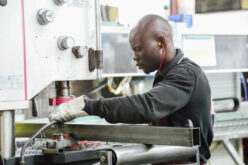
Even the most robust machinery can become damaged due to improper handling. Operator error is a leading cause of equipment failure, often stemming from a lack of understanding regarding the machine’s limits or specific operational nuances. That’s why you must invest in comprehensive training programs for all staff members who interact with the machinery.
This training should cover standard operating procedures, safety protocols, and troubleshooting basics. When operators understand how to use the equipment correctly, they are less likely to push machines beyond their capacity or cause accidental damage through misuse.
Use High-Quality Parts and Supplies
When repairs are necessary, the quality of the replacement components matters. It may be tempting to cut costs by purchasing third-party, generic parts, but this often leads to compromised performance.
Stick to OEM parts whenever possible. These components are engineered to the exact specifications of your machinery, ensuring a perfect fit and optimal function. High-quality lubricants and fluids are equally important; inferior supplies can increase friction and heat, accelerating the degradation of internal components.
Keep Equipment Clean
Environmental contaminants are silent destroyers of industrial hardware. The buildup of dirt, grease, dust, and debris can clog intake valves, overheat motors, and corrode metal surfaces. Establish a routine cleaning schedule that goes beyond surface wiping. Staff should focus on removing buildup from internal mechanisms and ensuring that cooling fans and vents remain unobstructed.
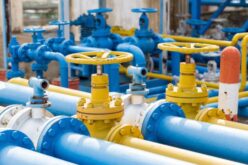
Additionally, regularly clean pipelines and connected fluid systems to ensure smooth operation. There are plenty of cost-saving strategies for pipeline maintenance that’ll get the job done without putting you over budget. No matter how you go about it, clean machinery runs cooler and more efficiently, reducing the strain on the engine and extending its service life.
Monitor Performance Metrics
Modern industrial management relies on data. Tracking performance metrics allows you to spot inefficiencies that may indicate an underlying mechanical issue. If a machine is consuming more power than usual or producing at a slower rate, it is often a symptom of failing health.
Leverage Internet of Things sensors and predictive maintenance tools to monitor equipment in real-time. These technologies can alert maintenance teams to vibration anomalies or temperature spikes before they lead to failure, enabling data-driven decisions that help teams maximize the lifespan of industrial equipment.

Image Credit: Image Credentials: By KPs Photography, 406984290
end of post … please share it!
-------------------------------------------------------------------------------------------------------------
-------------------------------------------------------------------------------------------------------------
home remodeling reference (links to internal page)
 |
 |
 |
 |
| directory | photos | forms | guide |
Helpful article? Leave us a quick comment below.
And please share this article within your social networks.