
Underground utility installation often requires crews to work around roads, landscaping, buildings, and other surface features. Traditional excavation can create disruption because crews must open long trenches along the installation route. Horizontal directional drilling offers a different approach by creating a guided underground bore between selected entry and exit points. Contractors can install pipes, conduits, and utility lines while leaving much of the ground above intact. The key benefits of horizontal directional drilling include reduced surface disruption, greater installation flexibility, and efficient access beneath obstacles. Understanding these advantages helps project planners determine when this trenchless construction method can support safer, cleaner, and more practical underground installations.
Limits Surface Disruption
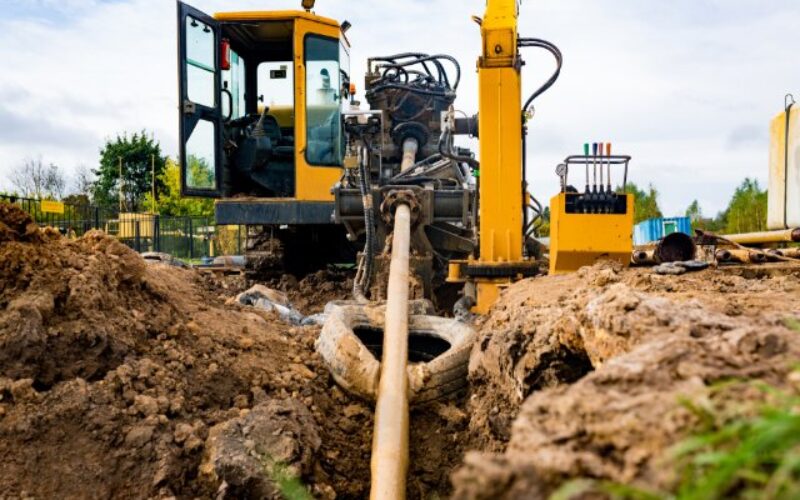
One of the most valuable advantages of horizontal directional drilling is its ability to minimize excavation. Instead of digging an open trench across the entire project area, crews create relatively small access points for the drilling equipment and product pipe. The drill travels underground along a planned path, allowing work to continue without exposing the full installation route.
This approach can protect lawns, pavement, sidewalks, and other finished surfaces from unnecessary disturbance. Property owners may avoid restoration after crews complete the underground installation. Contractors can also reduce the amount of soil they must remove and replace. Less excavation keeps the work area more contained and can simplify cleanup once drilling ends.
Provides Access Beneath Existing Obstacles
Many underground projects must cross features that crews cannot conveniently excavate. A road, parking area, waterway, or developed property can make conventional trenching difficult. Directional drilling allows contractors to design a bore path that passes beneath these obstacles while limiting interference at the surface.
This capability gives project planners more freedom when selecting utility routes. Instead of rerouting a line around every surface obstruction, crews may be able to travel underneath it. A carefully engineered path can connect two points that would otherwise require disruptive excavation or complicated construction changes. This flexibility becomes especially valuable in developed areas with limited available working space.
Reduces Restoration Requirements
Excavation does not end when a utility reaches its destination. Traditional trenching often requires crews to restore the surfaces they opened during installation. They may need to repair pavement, replace landscaping, or rebuild sections of hardscape. Those restoration requirements can add labor and extend the project schedule.
Horizontal directional drilling limits the amount of surface area affected by underground construction. When crews disturb less ground, they generally have less material to restore afterward. This can help preserve established properties and reduce the inconvenience associated with post-installation repairs. Minimizing restoration also helps contractors leave a cleaner site once the utility becomes operational.
Supports Accurate Underground Routing
Directional drilling equipment allows trained operators to monitor the location and direction of the drill head as it advances. Crews can make controlled steering adjustments to keep the bore aligned with the planned route. This guidance helps contractors navigate underground conditions while working toward the designated exit point.
Accurate planning remains essential because underground construction can encounter existing infrastructure. Crews should identify utilities and establish safe clearances before drilling begins. Contractors must also follow proper locating procedures to prevent utility strikes during HDD operations and protect workers as well as surrounding infrastructure. Careful route design combined with active drill tracking supports a controlled installation process from entry to exit.
Works in Congested Developed Areas
Urban and commercial environments can present major challenges for underground utility construction. Roads must remain accessible, businesses may need uninterrupted entrances, and nearby properties can restrict equipment placement. Opening a continuous trench in these settings may interfere with normal activity across a large portion of the site.
Horizontal directional drilling concentrates much of the work around designated access areas. Crews can position equipment strategically while the bore progresses beneath developed surfaces. This smaller surface footprint can make trenchless installation suitable for locations where extensive excavation would create substantial inconvenience. Thoughtful staging can also help contractors maintain access around the active work zone.
Accommodates Different Utility Applications
Horizontal directional drilling can support many underground infrastructure projects. Contractors use the method to install conduit for communications, electrical systems, water lines, and other compatible utilities. The exact drilling process depends on the pipe material, bore length, soil conditions, and engineering requirements for the project.
Can Improve Project Efficiency
Reducing excavation can streamline several parts of an underground installation. Crews may spend less time opening a long trench and less time restoring the same corridor after placing the utility. Contractors can focus their resources on preparing the bore, guiding the drill, enlarging the underground path when necessary, and pulling the product into position.
Efficiency still depends on careful preparation. Soil conditions, utility congestion, equipment selection, and bore design can affect how smoothly work progresses. When the site suits directional drilling, however, the method can reduce some of the labor associated with extensive surface excavation. A well-planned operation can keep construction focused within a relatively compact area.
Helps Preserve Established Properties
Construction near homes, campuses, parks, and commercial properties often requires special attention to existing site features. Mature landscaping, decorative surfaces, and established access routes may have significant practical or aesthetic value. Digging through these areas can create damage that takes considerable effort to repair.
Directional drilling allows project teams to approach underground installation with preservation in mind. By passing beneath sensitive surface areas, crews can avoid disturbing many features along the bore path. Entry and exit locations still require careful planning, but contractors gain more control over where visible construction occurs. This advantage can make the method especially appealing when maintaining the character or usability of a property matters throughout the project.
Creates More Installation Options
Project teams can compare trenchless installation with conventional excavation during early planning. They can consider access, ground conditions, required depth, pipe specifications, and nearby infrastructure before selecting an approach. When directional drilling matches the site, it can provide a practical way to connect underground infrastructure while reducing interference above ground.
Choose HDD for the Right Underground Project
Horizontal directional drilling gives contractors a controlled trenchless option for installing utilities beneath developed or sensitive areas. The method can limit excavation, preserve important surfaces, and provide access beneath obstacles that complicate conventional trenching. Its effectiveness depends on proper site investigation, engineering, utility locating, and skilled operation. Project planners should evaluate ground conditions and installation requirements before deciding how to proceed. When the site supports trenchless construction, the key benefits of horizontal directional drilling can help crews complete underground work with less disruption while maintaining a carefully planned route.
Image Credentials: By tgordievskaya, 379475337
-------------------------------------------------------------------------------------------------------------
-------------------------------------------------------------------------------------------------------------
home remodeling reference (links to internal page)
 |
 |
 |
 |
| directory | photos | forms | guide |
Helpful article? Leave us a quick comment below.
And please share this article within your social networks.