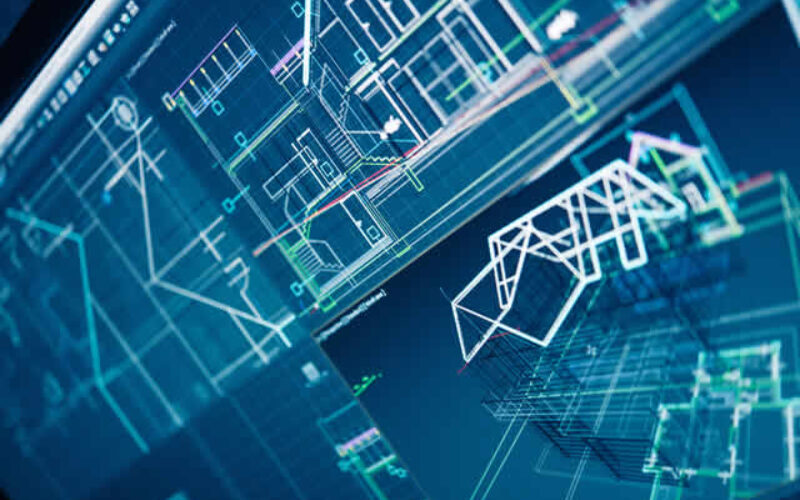
Building Information Modeling (BIM) has fixed this problem in 2026, as while it can be great for designing 3D models, it also serves as a central database for a building even after the project is complete.
This guide will explore how BIM technology is transforming facility management by improving real-time management and getting AI-driven alerts to keep on top of any errors. Continue reading this guide to find out more.
BIM Technology for Facility Management
Real-Time Monitoring
With BIM, facility managers don’t have to rely on guesswork to understand how a building is performing. They can receive live data like how many people are in a room, the current temperature or how much electricity is being used.
This can be put directly onto a 3D map of the property, so you can consistently follow the process of the project to ensure it’s always up to its required standard. This makes it easy to spot issues instantly, such as a heater running in an empty hallway or a sudden spike in energy use.
Having all this information in one visual place helps teams make faster and smarter decisions to keep the building running smoothly.
Improved Visibility
One of the biggest headaches for any building manager is dealing with hidden infrastructure that they are unable to see just from looking at the site. In the past, finding a leaky pipe or a specific electrical wire meant relying on listening out for something that’s not quite right or tearing into walls, which is both messy and expensive.
With BIM, you no longer have to guess. You can instead look at the digital model on a tablet or using smart glasses, which allows maintenance teams to see exactly what is behind the drywall or under the floorboards before they even pick up a tool.
This level of clarity helps avoid accidental damage to vital systems and ensures that repairs are faster and safer.
AI-Driven Alerts
AI tools built directly into BIM platforms can study a building’s past performance to predict future problems, so they can keep on top of it. Instead of waiting for a machine to break, these systems analyse data to spot early warning signs of wear and tear.
This allows maintenance teams to fix equipment during a scheduled break rather than dealing with a sudden emergency. These repairs can then be made ahead of time, so businesses can reduce unexpected plant hire equipment failures and costly shutdowns by 35% to 50%.
Occupancy Analytics
BIM technology can also be used by businesses to see the areas of the building that are used the most and least. Sensors can be connected to the 3D model, so managers can see what parts of the building need more attention to get them used more effectively.
The technology can also notice whether a room is being used or not, so they can then turn down the heating or cooling systems to avoid wasting energy. This is perfect if you want to lower the carbon footprint of the building.
Streamlined Renovations
Renovating a space becomes much faster and more predictable with BIM. The discoveries made with this technology can lead to reduced delays and lower costs.
BIM models act as a highly accurate map of exactly how the building was constructed, so you know where everything is located before you even start. This allows you to plan upgrades or server room moves with total precision, cutting out the guesswork and keeping your budget on track.
Energy Modeling
BIM helps facility managers save money on energy, as managers can see exactly how much electricity or heating they might save when making changes to the build. The technology can recommend installing better windows or changing how the air conditioning runs during different seasons to lower costs.
Waste Reduction
BIM helps companies save money, as they can plan ahead with any costs. The system holds exact measurements and details for every part of a building, so engineers know the precise amount of paint, flooring or air filters required before they even place an order.
This accuracy prevents teams from buying unnecessary surplus materials that usually end up in the trash, helping businesses cut costs and hit their environmental goals at the same time.
Final Thoughts
Facility management has never been so streamlined with the use of BIM. Everyone involved in the process can now see every aspect of the build, including what cannot be seen by the human eye. This allows future planning to happen, so they can keep on top of any maintenance that might be needed.
Real time monitoring means that any changes that do happen to the build will instantly update with the technology too, making it an all in one place to keep the building up to standard.
other related articles of interest:
4 Ways To Improve Your Facility’s Environmental Risk Profile

Image Credit: by envato.com
end of post … please share it!
-------------------------------------------------------------------------------------------------------------
-------------------------------------------------------------------------------------------------------------
home remodeling reference (links to internal page)
 |
 |
 |
 |
| directory | photos | forms | guide |
Helpful article? Leave us a quick comment below.
And please share this article within your social networks.