Or perhaps you’ve wondered if there’s a smarter way to deal with ageing plumbing without breaking the bank?
If you’re nodding along, you’re not alone. Thousands of Australian home and business owners face these exact worries every year.
The good news? There’s a modern approach that can sort out your pipe problems without the mess, stress, and hefty price tag of traditional excavation.
Pipe relining has revolutionised how we tackle damaged drains and sewers, offering a no-dig alternative that’s gaining serious popularity across the country.
In this post, we’ll walk you through everything you need to know about pipe relining. You’ll discover exactly how the process works, which types of pipes can be treated, and the common problems it fixes.
Most importantly, you’ll understand how pipe relining can save you thousands of dollars in the long run. So, let’s get stuck into it and explore why your pipes deserve better than a dig-up job.
What Is Pipe Relining?
The Basic Concept Explained Simply
Think of pipe relining as giving your old, damaged pipes a brand-new inner layer. Rather than ripping out the entire pipe system, technicians insert a flexible liner coated with special resin into the existing pipe. Once in place, this liner hardens to create a smooth, durable "pipe within a pipe."
The result? A seamless, joint-free surface that’s actually stronger than many original pipes. It’s a bit like fitting a protective sleeve inside your plumbing system that seals cracks, fills gaps, and prevents future damage.
How Is Pipe Relining Different From Traditional Pipe Replacement?
Traditional pipe replacement involves digging up your property to access and remove damaged pipes. This means excavators in your garden, concrete cutting through driveways, and potentially days or weeks of disruption. The costs quickly add up when you factor in landscaping repairs, driveway restoration, and the actual plumbing work.
Pipe relining, on the other hand, requires minimal excavation—often just one or two small access points. Your lawn stays intact, your driveway remains untouched, and the whole job typically wraps up in a single day. It’s faster, cleaner, and far less invasive.
How Does Pipe Relining Work? A Step-by-Step Breakdown
Initial CCTV Drain Inspection
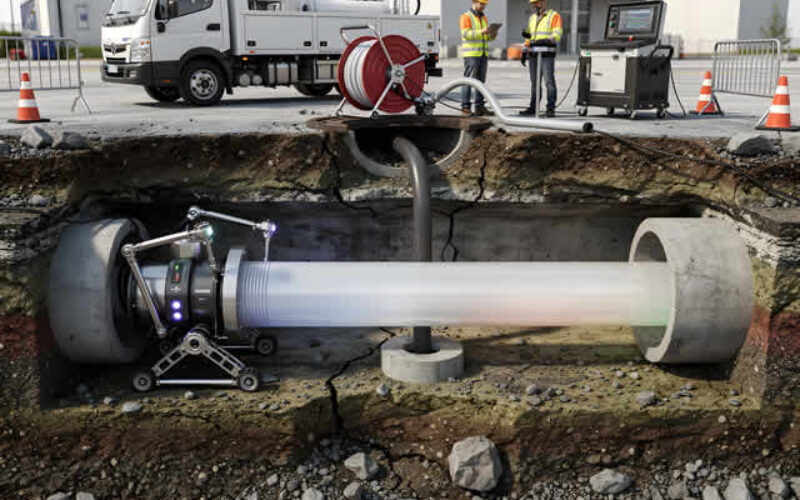
Every pipe relining job kicks off with a thorough investigation. Technicians insert a small camera into your drains to get a clear picture of what’s happening underground. This CCTV inspection reveals cracks, blockages, tree root intrusion, and any other issues lurking in your pipes.
This step is crucial because it helps determine whether pipe relining is the right approach for your specific situation. Plus, it provides accurate measurements for the liner.
Cleaning and Preparing the Damaged Pipe
Before any relining can happen, the pipes need a proper clean-out. High-pressure water jetting blasts away debris, tree roots, and built-up grime. In some cases, robotic cutting tools remove stubborn obstructions.
A clean pipe ensures the resin-coated liner bonds properly to the interior surface. Skip this step, and you’re setting yourself up for problems down the track.
Inserting the Resin-Coated Liner
Here’s where the magic happens. A flexible felt liner, saturated with specially formulated epoxy resin, gets inserted into the pipe. Technicians use air pressure or water inversion to push the liner into position, making sure it covers the entire damaged section.
The liner moulds itself perfectly to the pipe’s interior, filling cracks and sealing joints along the way.
Curing and Hardening the New Pipe
Once positioned, the liner needs to cure and harden. Depending on the resin type, this might involve ambient curing (simply waiting) or UV light curing for faster results. Hot water or steam can also speed up the process.
Within hours, you’ve got a rock-solid new pipe surface ready to handle decades of use.
Final Inspection and Quality Check
The job isn’t done until another CCTV inspection confirms everything looks spot-on. Technicians check the liner’s integrity, verify proper adhesion, and make sure there are no wrinkles or defects. This final quality check gives you peace of mind that the work meets professional standards.
What Types of Pipes Can Be Relined?
Clay and Terracotta Pipes
Many older Australian homes feature clay or terracotta drainage pipes. These materials are prone to cracking and tree root penetration over time. Pipe relining works brilliantly for these pipes, creating a seamless barrier that roots simply cannot breach.
PVC Pipes
Even modern PVC pipes can develop issues—particularly at joints where movement or ground shifting causes gaps. Pipe relining seals these vulnerable points effectively, extending your plumbing system’s lifespan significantly.
Cast Iron and Concrete Pipes
Cast iron pipes in older properties often suffer from corrosion and rust buildup. Concrete pipes can deteriorate over decades. Both materials respond well to pipe relining, with the new liner providing corrosion-resistant protection.
Common Pipe Problems That Pipe Relining Can Fix
Tree Root Intrusion
Tree roots naturally seek out moisture, and your pipes offer an irresistible water source. Roots sneak through tiny cracks and joints, growing until they cause major blockages. Pipe relining eliminates entry points completely, solving one of Australia’s most common plumbing headaches.
Cracked or Broken Pipes
Ground movement, age, and temperature changes can crack pipes over time. These cracks worsen if left untreated. The relining process bridges these gaps, restoring structural integrity without excavation.
Blocked and Corroded Drains
Corrosion creates rough surfaces where debris accumulates, leading to recurring blockages. The smooth interior of a relined pipe promotes better flow and prevents buildup.
Joint Displacement and Leaks
When pipe joints shift or separate, leaks and infiltration become inevitable. Pipe relining creates a continuous, joint-free surface that eliminates these weak spots entirely.
How Does Pipe Relining Prevent Costly Repairs?
Avoiding Expensive Excavation Work
Digging up pipes means paying for excavation equipment, labour, and property restoration. Concrete driveways, paved areas, and established gardens can cost thousands to repair. Pipe relining sidesteps these expenses altogether.
Extending the Lifespan of Your Plumbing System
Quality pipe relining adds 50 years or more to your plumbing’s lifespan. Rather than patching problems repeatedly, you’re investing in a long-term fix that keeps delivering value decade after decade.
Preventing Recurring Blockages and Damage
The seamless, smooth surface created by relining resists root intrusion and debris buildup. This means fewer emergency callouts, less maintenance, and more money staying in your pocket.
How Long Does Pipe Relining Last?
Most manufacturers and installers guarantee pipe relining for at least 50 years. Some products carry warranties extending even further. When installed correctly by qualified technicians, relined pipes can easily outlast the original pipes they’re protecting.
Is Pipe Relining Worth the Investment?
Comparing Costs: Pipe Relining vs Traditional Replacement
Traditional pipe replacement in Australia typically costs anywhere from $10,000 to $30,000 or more, depending on the extent of excavation required. Pipe relining usually comes in at 30-50% less than these figures, especially when you factor in avoided restoration costs.
Long-Term Savings for Australian Homeowners
Beyond the initial savings, pipe relining reduces ongoing maintenance expenses. Fewer blockages mean fewer plumber visits. A stronger pipe system means no nasty surprises. Over time, these savings really add up.
How Much Does Pipe Relining Cost in Australia?
Pipe relining costs vary based on pipe diameter, length, and accessibility. Generally, you can expect to pay between $400 and $800 per metre for standard residential relining. Complex jobs or larger commercial pipes cost more. Getting multiple quotes from reputable companies helps you find fair pricing.
When Should You Consider Pipe Relining?
Consider pipe relining if you’re experiencing recurring drain blockages, slow drainage, or foul odours from your plumbing. Properties with established gardens, heritage considerations, or difficult-to-access pipes particularly benefit from this no-dig approach.
If your pipes are structurally damaged but the overall system remains salvageable, relining offers the ideal middle ground between constant repairs and complete replacement.
Conclusion: Protecting Your Property Without the Disruption
Pipe relining represents a genuine game-changer for home and business owners facing plumbing problems. By creating a durable new pipe within your existing system, this approach tackles everything from tree root intrusion to cracked pipes—all without tearing up your property.
The financial benefits speak for themselves. Lower upfront costs, minimal property damage, and decades of reliable performance make pipe relining a smart investment. You’re not just fixing today’s problems; you’re preventing tomorrow’s headaches.
If your drains have been giving you grief, it might be time to chat with a local pipe relining specialist. Get a CCTV inspection, understand your options, and make an informed choice. Your pipes—and your wallet—will thank you for it.

Image Credit: by 123rf.com
end of post … please share it!
-------------------------------------------------------------------------------------------------------------
-------------------------------------------------------------------------------------------------------------
home remodeling reference (links to internal page)
 |
 |
 |
 |
| directory | photos | forms | guide |
Helpful article? Leave us a quick comment below.
And please share this article within your social networks.