By leveraging modern tools and technologies, businesses can streamline the upkeep of their pipeline infrastructure and mitigate potential risks. This guide outlines the most essential tools and techniques for effective pipeline maintenance.
Visual Inspection Tools and Techniques
Regular visual inspections serve as the foundation of any successful pipeline maintenance program. High-resolution cameras and drones with advanced imaging capabilities allow technicians to identify surface-level damage, cracks, or other vulnerabilities. These tools reduce the risk of missing critical issues when combined with manual inspections in hard-to-reach areas. Technological advancements, such as thermal imaging, also make detecting irregularities related to temperature changes or potential leaks in the system easier.
Leak Detection Technologies
Pipeline operators use leak detection technologies to prevent environmental hazards and minimize material losses. Acoustic sensors placed strategically along the pipeline can detect pressure fluctuations caused by leaks in real-time. Similarly, ultrasonic devices measure sound waves passing through the pipeline, providing immediate feedback on possible breaches.
Additionally, infrared sensors help identify gaseous leaks by visualizing emissions invisible to the human eye. Utilizing these technologies reduces response time significantly and prevents small issues from escalating into larger problems.
Corrosion Monitoring Systems
Corrosion significantly threatens pipeline integrity, particularly in systems exposed to harsh environments. Corrosion monitoring systems provide operators with the tools to gauge the extent of damage and prevent further degradation. By using pipeline caliper tools, technicians can measure the internal diameter of a pipeline and detect any areas suffering from metal loss or material wear. These tools deliver real-time data on factors that contribute to pipeline deterioration, such as moisture or pH levels.
Repair and Rehabilitation Equipment
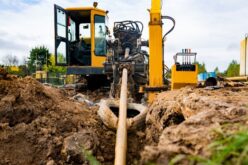
When minor or major issues arise, pipeline technicians must have access to reliable repair and rehabilitation equipment. Clamps and composite wraps temporarily stabilize sections of the pipeline while technicians address more severe damage. For longer-term repairs, welding and cutting tools allow operators to replace damaged sections with new components efficiently. Automated systems, including trenchless rehabilitation technology, eliminate the need for invasive excavation and extend the lifespan of aging pipelines.
Software Solutions for Data Management
Sophisticated software solutions simplify data collection, analysis, and maintenance scheduling for pipeline operators. Geographic information system (GIS) software stores detailed maps of pipeline layouts, enabling accurate visualization of assets and their location. Predictive maintenance programs analyze data from sensors—such as flow rate, pressure, and material composition—and forecast potential issues based on trends. These digital solutions enable operators to adopt a proactive approach to pipeline management, minimizing unplanned disruptions and extending system longevity.
Safety Equipment and Protocols
The health and safety of maintenance teams remain a pillar of pipeline operations. High-visibility clothing, hard hats, and safety harnesses protect workers from onsite hazards, while gas detectors continuously monitor air quality to prevent exposure to harmful substances. Emergency response protocols include portable communication devices to improve coordination during maintenance activities. Investments in worker safety reduce the risk of accidents and demonstrate a commitment to responsible pipeline operation.
Any pipeline system’s reliability hinges on using effective maintenance tools and technologies. Each of the above resources enhances the stability and performance of pipeline infrastructure. Investing in these tools not only safeguards the longevity of the pipeline but also promotes operational efficiency, environmental stewardship, and workplace safety. Proactive pipeline maintenance lays the groundwork for sustained success, helping organizations maintain their competitive edge in the industry.
Image Credentials: Mulderphoto, # 399869767
-------------------------------------------------------------------------------------------------------------
-------------------------------------------------------------------------------------------------------------
home remodeling reference (links to internal page)
 |
 |
 |
 |
| directory | photos | forms | guide |
Helpful article? Leave us a quick comment below.
And please share this article within your social networks.