Inappropriate fuses can lead to downtime, equipment damage, and worker accidents. Understanding how to choose the right fuse can make a positive difference for your industrial equipment.
Understand the Role of a Fuse
Fuses protect electrical circuits from overcurrent. The fuse melts and breaks the circuit when the current exceeds a specific limit, protecting devices, wiring, and connectors from damage. The circuit shuts down to protect devices, wiring, and connectors from damage when the current exceeds a set limit.
To choose the ideal fuse for your equipment, consider the maximum current, the circuit’s voltage rating, and the breaking capacity. Matching each of these categories with the machinery you operate provides reliable protection.
Use Durable and Proven Fuses
Not all fuses are created equal. Reliable fuses must handle high stress, surges, and demanding conditions. For example, the Daito LM fuse functions best in extreme conditions because it delivers the optimal option for precision manufacturing with a low error tolerance.
Durable fuses are the most reliable, so know how to replace the Daito LM fuse. Even the best fuses can malfunction and cause the same problems when neglected. Therefore, select the best options and replace them as needed.
Match the Fuse Type to Application
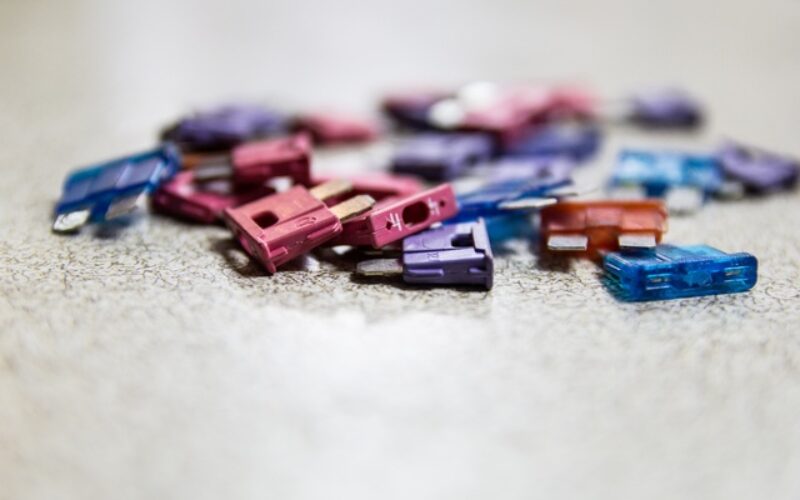
Some industrial applications require different fuses than other, so select the one that best suits your needs. Time delay fuses are best for systems that experience temporary surges, such as motors or compressors. Another great option is high-rupture capacity fuses, which fit well in large-scale industrial setups due to their extreme durability and high capacity.
Fast-acting fuses are particularly useful for sensitive electronics with low current tolerances, such as control systems. By aligning the fuse type with your equipment’s operating characteristics, you can ensure it protects your machinery and operates efficiently without interruptions.
Prioritize Compliance and Safety Standards
Fuses are critical for ensuring the safety of personnel and equipment. When selecting a fuse, prioritize compliance with safety regulations and standards. Maintenance checks also help you comply with safety standards. This includes inspecting fuses for wear and damage, and replacing them as needed.
When selecting a fuse, prioritize compliance with safety regulations and standards, which can differ depending on your location. UL-listed fuses are tested to meet safety standards in North America. International standards, such as the IEC, exist to ensure fuse safety and reliability. In Europe, fuses must meet Restriction of Hazardous Substances (RoHS) compliance, which also limits what substances can be in the products. Fuses that meet this standard are free of hazardous substances.
Protect Your Equipment With the Right Fuse
Choosing the appropriate fuse for your industrial equipment may seem complex, but it can save time, money, and lives. Choosing quality fuses and adhering to safety standards is essential for industrial equipment to run smoothly every day.
Image Credentials: By Евгений Округин, File 251518511
-------------------------------------------------------------------------------------------------------------
-------------------------------------------------------------------------------------------------------------
home remodeling reference (links to internal page)
 |
 |
 |
 |
| directory | photos | forms | guide |
Helpful article? Leave us a quick comment below.
And please share this article within your social networks.