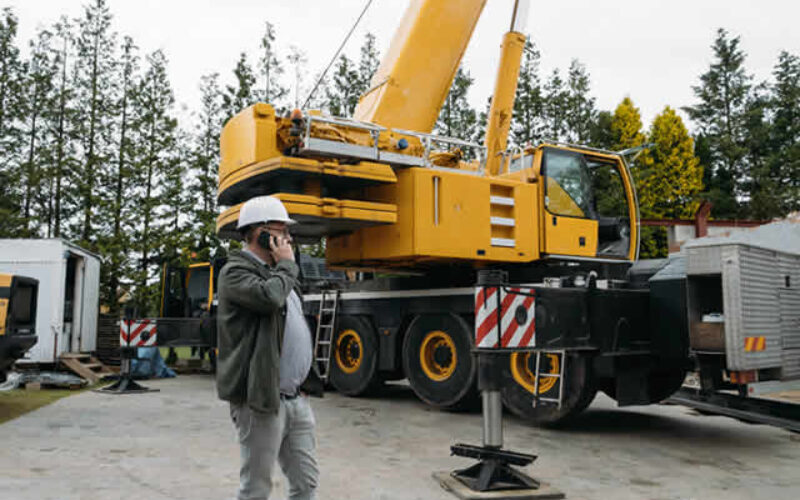
Perhaps you’re asking yourself whether these mechanical giants can actually move whilst carrying their loads?
If you’re planning a construction project that requires serious lifting power, you’ve come to the right place.
Hiring a crawler crane isn’t as simple as renting a ute for the weekend – there’s quite a bit more to consider. From understanding load capacities to navigating safety regulations, making the right choice can feel overwhelming.
This guide breaks down the five most crucial factors you need to consider when hiring crawler cranes. We’ll explore everything from basic specifications to hidden costs that might catch you off guard.
By the end, you’ll have the confidence to make an informed decision that keeps your project on track and within budget.
1. Understanding Crawler Cranes: The Basics
What is a Crawler Crane?
Let’s start with the fundamentals. A crawler crane is a mobile crane mounted on a tracked undercarriage, similar to what you’d see on an excavator or bulldozer. These tracks distribute the crane’s weight over a larger surface area, allowing it to operate on softer ground conditions where wheeled cranes would simply sink.
Think of crawler cranes as the workhorses of the construction world. They’re designed for heavy-duty lifting operations and can handle loads that would make other cranes buckle.
The tracks give them incredible stability, which is why you’ll often spot them on major infrastructure projects, wind farm installations, and large-scale construction sites.
What sets these machines apart is their ability to travel around job sites whilst carrying loads – though we’ll get into the specifics of that capability in just a moment. Their design allows them to tackle challenging terrain and maintain stability even when lifting at considerable heights.
How Do Crawler Cranes Differ from Other Crane Types?
Now, you might be wondering how crawler cranes stack up against other options like mobile cranes or tower cranes. The main difference lies in their mobility and setup requirements.
Unlike mobile cranes that zip around on wheels, crawler cranes move at a snail’s pace – typically around 1-2 kilometres per hour. However, what they lack in speed, they make up for in stability and lifting capacity.
Mobile cranes need outriggers for stability, which means they require more setup space. Crawler cranes, on the other hand, can lift from their tracks without additional support.
Tower cranes might dominate city skylines, but they’re fixed in position once erected. Crawler cranes offer the flexibility to move around your site, making them perfect for projects that require lifting in multiple locations.
Plus, whilst tower cranes excel at reaching great heights, crawler cranes often win when it comes to sheer lifting power at ground level.

2. Assessing Your Project Requirements
Determining the Right Crane Capacity
Getting the crane capacity right is absolutely crucial for your project’s success. It’s not just about picking the biggest crane available – you need to match the crane’s capabilities to your specific lifting requirements.
Start by identifying your heaviest lift and don’t forget to factor in the weight of rigging equipment, hooks, and slings. These additional items can add several tonnes to your total load weight. Then consider the radius at which you’ll be lifting – a crane might handle 100 tonnes at close range but only 20 tonnes at full reach.
Working with a crane hire specialist can save you from costly mistakes. They’ll help you analyse your lift plans and recommend the appropriate capacity with a suitable safety margin. Remember, it’s better to have slightly more capacity than you need rather than pushing the limits of a smaller crane.
Evaluating Site Conditions and Access
Your job site conditions will make or break your crawler crane operation. Before you even think about signing a hire agreement, you need to thoroughly assess your site.
Consider the ground bearing capacity first. Crawler cranes are heavy machines – we’re talking anywhere from 50 to several hundred tonnes. Soft or unstable ground might require matting or ground improvement works. Check for underground services, too. The last thing you want is to damage utilities because the ground couldn’t support your crane’s weight.
Access is another critical factor. How will the crane get to your site? These machines often arrive in multiple pieces on several trucks. You’ll need adequate space for assembly and disassembly. Don’t forget to check overhead restrictions like power lines or bridges along the transport route.
3. Crane Specifications and Capabilities
Load Capacity and Chart Analysis
Understanding load charts is like learning a new language – but it’s essential for safe crane operations. These charts show exactly what your crane can lift under various configurations and conditions.
Load charts aren’t just simple tables. They account for numerous factors including boom length, boom angle, counterweight configuration, and whether the crane is on tracks or crawlers. Modern crawler cranes often have multiple charts for different setup configurations. You might have one chart for standard lifts and another for heavy lift configurations with additional counterweights.
Here’s what catches many people out: the headline capacity (say, 250 tonnes) is typically only achievable under ideal conditions – minimum radius, shortest boom, maximum counterweight. Real-world lifts rarely match these perfect scenarios. Always work with your crane operator to verify that your planned lifts fall well within the chart’s safe working limits.
Boom Length and Configuration Options
Boom configuration flexibility is where crawler cranes really shine. Most models offer multiple setup options to suit different project requirements.
The main boom provides your primary lifting capability, but that’s just the beginning. You can add fly jibs for extra reach, luffing jibs for working in confined spaces, or auxiliary hoists for precise load positioning. Some projects benefit from fixed jib attachments that provide additional height whilst maintaining good capacity.
Remember that longer isn’t always better. Extending the boom reduces lifting capacity and increases wind loading. Sometimes a shorter, stronger configuration serves your project better than maxing out the boom length. Your hire company’s technical team can help optimise the configuration for your specific lifts.
4. Safety and Compliance Considerations
Australian Safety Standards and Regulations
Safety isn’t just important – it’s absolutely non-negotiable when working with crawler cranes. Australia has stringent regulations governing crane operations and understanding these is crucial for any project.
The primary framework comes from Safe Work Australia and various state-based WorkSafe organisations. These bodies mandate everything from crane inspection frequencies to operator certification requirements. Key standards include AS 2550 for crane safety and AS 1418 for crane design and operation. Non-compliance isn’t just risky – it can result in hefty fines and project shutdowns.
Every crane lift requires proper planning under these regulations. This includes documented lift plans for any lift exceeding 75% of the crane’s rated capacity, or any lift deemed high-risk. Don’t view these requirements as red tape – they’re proven methods for preventing accidents and ensuring everyone goes home safely.
Operator Qualifications and Certifications
You wouldn’t let just anyone drive your car, so why would you trust your multi-million-dollar project to an unqualified crane operator? In Australia, crane operators must hold appropriate high-risk work licences.
For crawler cranes over 100 tonnes, operators need a CO (Crane Operator) licence. Smaller crawler cranes might only require a CN (Non-slewing mobile crane) licence, depending on their configuration. But licences are just the starting point. Look for operators with specific experience on your crane model and type of work.
The best operators bring more than just a licence to your project. They understand load dynamics, can read and interpret complex lift plans, and have the judgment to stop operations when conditions aren’t safe. When evaluating hire companies, ask about their operators’ experience levels and ongoing training programmes.
5. Cost Factors and Hiring Options
Understanding Crane Hire Pricing Structures
Crane hire pricing can seem like a maze of numbers, but understanding the structure helps you budget accurately and avoid surprises. The base hire rate is just the beginning of your cost calculation.
Most companies charge a combination of daily, weekly, or monthly rates. Longer hire periods typically attract better daily rates, but only if you genuinely need the crane for that duration.
Having an expensive crawler crane sitting idle on-site burns through budgets quickly. Some companies offer standby rates for weather delays or other hold-ups, which can provide significant savings.
Don’t forget about minimum hire periods. Many companies require a minimum commitment, especially for larger cranes that involve substantial transport and setup costs. Factor in overtime charges too – crane operations outside standard hours often attract penalty rates. Understanding these elements upfront helps you structure your project timeline to minimise costs.
Transport and Assembly Costs
Here’s where many projects encounter their first budget shock. Getting a crawler crane to site and operational involves significant costs beyond the basic hire rate.
Transport costs depend on the crane size and distance from the depot. A 100-tonne crawler crane might require 6-10 truckloads, each needing permits for oversize loads. Don’t forget about return transport – you’re paying for the crane to get home too. For remote sites, you might also need to cover driver accommodation and meals.
Assembly and disassembly require additional equipment and personnel. You’ll typically need a support crane to help build your crawler crane, plus a team of riggers and technicians.
This process can take anywhere from one to several days, depending on the crane size and configuration. These costs can easily add 20-30% to your overall crane budget.
Conclusion: Ensuring Success with Your Crawler Crane Hire
We’ve covered a lot of ground in exploring the key factors for hiring crawler cranes. From understanding basic capabilities to navigating complex safety requirements, each element plays a vital role in project success.
The most successful projects start with clear requirements and realistic budgets. They involve experienced hire companies early in the planning process and prioritise safety over speed.
By understanding your lifting needs, assessing site conditions thoroughly, and choosing the right hire arrangement, you set yourself up for smooth operations.
Remember, hiring a crawler crane is about more than just getting a big machine on site. It’s about partnering with professionals who understand your project needs and share your commitment to safety and efficiency.
Take time to ask the right questions, evaluate your options carefully, and don’t let price be your only deciding factor. Your project’s success depends on making informed decisions based on all the factors we’ve discussed. Here’s to your next lift going exactly to plan!

Image Credit: hiring crawler cranes by envato.com
end of post … please share it!
-------------------------------------------------------------------------------------------------------------
-------------------------------------------------------------------------------------------------------------
home remodeling reference (links to internal page)
 |
 |
 |
 |
| directory | photos | forms | guide |
Helpful article? Leave us a quick comment below.
And please share this article within your social networks.