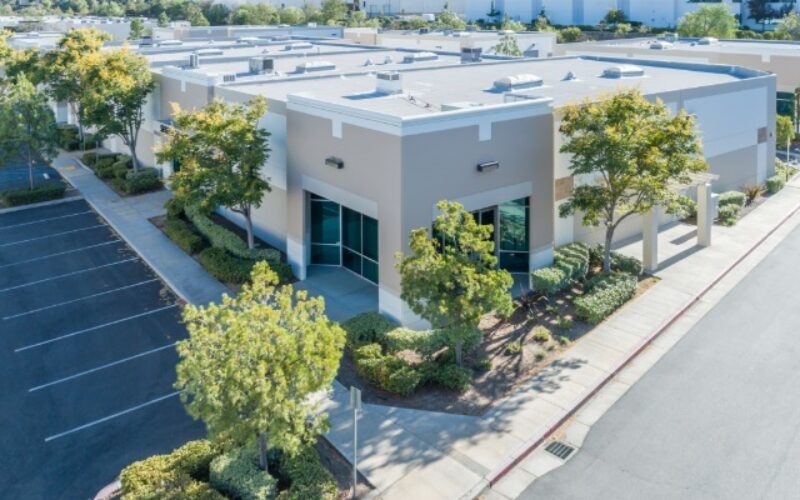
Overlooking problems before occupancy can lead to disruptions, unexpected expenses, and a poor start to the landlord-tenant relationship.
Knowing how to prepare a building for new commercial tenants can make the transition smooth. A systematic approach gives owners the opportunity to address deferred maintenance, confirm that systems are working properly, and establish a clear baseline for the property’s condition.
Review the Lease and Tenant Requirements
Before making any changes to the property, review the lease and any agreements concerning tenant improvements. Commercial leases can assign responsibilities differently depending on the building, tenant, and type of agreement. Identify which party is responsible for improvements, repairs, utilities, maintenance, signage, and other property-related expenses.
Owners should also understand how the tenant intends to use the space. A professional office, restaurant, retailer, and warehouse may have very different requirements. The intended use determines whether existing electrical capacity, plumbing, ventilation, entrances, loading areas, and other building features are adequate. This review can prevent owners from completing work that they’ll immediately need to change once the tenant moves in.
Conduct a Thorough Property Inspection
A vacant period is an ideal time to examine areas that may be difficult for you to access once the tenant begins operating. Rather than focusing exclusively on the leased space, walk through the entire property. Inspect the walls, ceilings, floors, doors, windows, and other visible components for damage. Outside, check the roof, drainage systems, sidewalks, parking areas, landscaping, and exterior lighting.
Documenting the building’s condition is also useful. Photos, inspection reports, and maintenance records can establish what the property looked like before occupancy and provide a reference point for future inspections.
Evaluate Major Building Systems
Mechanical and utility systems deserve particular attention during tenant turnover. Test electrical panels, outlets, plumbing fixtures, water heaters, lighting, elevators, and other equipment relevant to the property.
You should also evaluate the heating, ventilation, and air-conditioning (HVAC) system before occupancy. A system that technically operates may still struggle with efficiency, temperature control, or the new tenant’s demands. If the equipment is aging or the use of the building is changing, property owners may need to consider retrofitting their commercial HVAC systems now—rather than waiting for repeated breakdowns to interfere with business operations.
Addressing major systems while the property is vacant can be less disruptive than scheduling substantial work after employees, customers, equipment, and inventory have arrived.
Complete Necessary Repairs and Maintenance
Once you’ve completed your inspection, organize identified issues by urgency. Safety concerns and problems affecting essential building functions should generally receive attention first. Common turnover maintenance may include:
- Repairing damaged walls, doors, flooring, and ceilings
- Replacing burned-out or inadequate lighting
- Correcting plumbing leaks or drainage problems
- Servicing mechanical equipment
- Repairing damaged pavement or walkways
- Addressing visible signs of water intrusion or pest activity
Confirm Safety and Building Access
A commercial property must be ready for employees, customers, vendors, and other visitors. Owners should verify that relevant safety systems and access points are functioning as intended.
Check emergency lighting, exit signs, fire protection equipment, alarms, handrails, exterior lighting, and designated exits. Address any required inspections or certifications before occupancy.
Access control deserves attention as well. Former tenants, employees, vendors, and contractors may still have old keys or access credentials. Depending on the property, preparing for a new occupant may involve rekeying locks, changing access codes, updating alarm contacts, and/or reviewing who has permission to enter restricted areas.
Make the Space Clean and Presentable
Functionality matters, but appearance influences a tenant’s first impression of the property. A space that looks neglected can make even relatively minor maintenance issues seem more significant.
Schedule a thorough cleaning after finishing any construction, repairs, or maintenance. Floors, windows, restrooms, common areas, break rooms, entrances, and other high-traffic spaces may require special attention.
Exterior presentation matters, too. Remove any debris, refresh the landscaping where necessary, clean the entrances, and make sure exterior signs and lighting are in good condition.
The goal isn’t a complete cosmetic renovation. Owners should simply deliver a space that looks well-maintained and ready for the tenant to make its own.
Coordinate Utilities, Technology, and Signage
Operational details can easily become last-minute problems. Confirm which utilities must be transferred, activated, or placed in the tenant’s name, and communicate important deadlines well before move-in. Depending on the property, tenants may also need time to arrange internet service, telecommunications equipment, security systems, or specialized technology infrastructure. Owners should identify any building rules or physical limitations that could affect installation.
Signage is another consideration. Establish where signs can be installed and what approvals may be necessary before work begins. Clear communication prevents unauthorized alterations and unnecessary delays.
Plan the Move-In Process
Moving a business into a commercial building can involve trucks, contractors, inventory, and employees arriving within a short period. Establish move-in procedures in advance. Determine where trucks can park, which entrances can be used, when loading areas are available, and whether elevators or shared corridors need to be reserved.
For multitenant buildings, consider how the move could affect existing occupants. Scheduling deliveries during less disruptive hours and communicating temporary access changes can help normal operations continue.
Perform a Final Walk-Through
Shortly before occupancy, conduct a final walk-through with the tenant or the tenant’s representative. Confirm that any agreed-upon improvements have been completed, and document any remaining concerns.
Test lights, doors, plumbing fixtures, thermostats, access systems, and other frequently used features one last time. Review building procedures, and clarify how maintenance requests should be submitted.
A written checklist can make this process more productive, as both parties will leave with a shared understanding of the property’s condition and any outstanding work.
Start the Tenancy With a Well-Prepared Property
Learning how to prepare a commercial building for new tenants is ultimately about reducing preventable problems. Inspections, repairs, system evaluations, cleaning, security updates, and move-in planning all contribute to a smoother transition.
The work completed before occupancy can also benefit the property long after move-in day. A well-maintained building is easier to manage, and clear communication establishes expectations with the new tenant. By treating tenant turnover as an opportunity to assess and improve the property, commercial building owners can begin each new lease with a stronger operational foundation.
Image credentials: photo by Andy Dean, license #312384506
end of post … please share it!
-------------------------------------------------------------------------------------------------------------
-------------------------------------------------------------------------------------------------------------
home remodeling reference (links to internal page)
 |
 |
 |
 |
| directory | photos | forms | guide |
Helpful article? Leave us a quick comment below.
And please share this article within your social networks.